

Where Race Across the World Began
If you watched the opening episode of Race Across the World Series 6, you’ll know it started with a bang. Ten contestants lined up outside Palermo Cathedral in Sicily, handed a budget most of us would spend on a long weekend, and told to make it to Mongolia. Twelve thousand kilometres. No flights. Good luck.
The drama that followed was gripping television. But if you’re anything like us, you spent most of it thinking: I’d actually love to go there properly.
So here’s a look at the destinations the teams raced through in those first two legs, and why they deserve more than a hurried dash to the nearest ferry port.
Palermo, Sicily
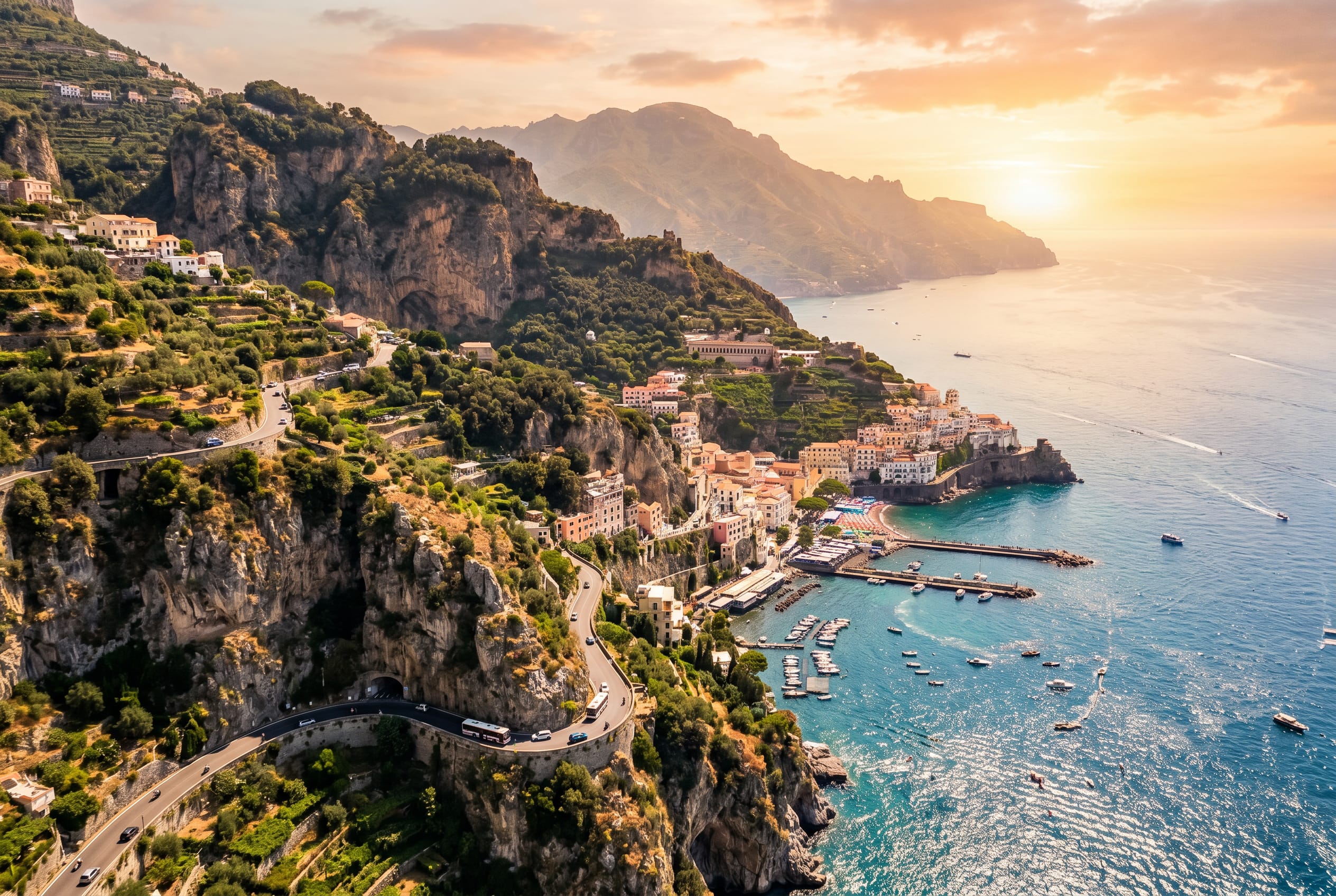
Palermo is one of those cities that’s been on the edges of the “must visit” conversation for years, and it’s finally getting the attention it deserves. The cathedral square where the race began gives you a flavour of it – Baroque architecture, Arab-Norman towers, a real mix of cultures that tells you this island has had a very interesting few thousand years.
The street food alone is worth the trip. Palermo’s markets, particularly the Ballarò and Vucciria, are chaotic and brilliant. Arancini, panelle, and the famous pane con la milza (spleen sandwich, don’t knock it till you’ve tried it) are all part of the picture. For something a bit more refined, the restaurants in the Kalsa neighbourhood do the island’s produce proud.
Beyond the city, Sicily rewards you the more time you give it. Mount Etna is an obvious tick, you can hike the upper craters with a guide, or take the cable car if you’d rather keep your shoes clean. The Valley of the Temples near Agrigento is genuinely jaw-dropping. And the coastline, particularly around Cefalù and the Zingaro nature reserve, is as good as anything the Mediterranean offers.
A week in Sicily barely scratches the surface. Two weeks starts to feel right.
The Amalfi Coast and Sorrento
The contestants’ routes across the Italian mainland took several teams through the Naples area before the ferry crossing to Greece. It’s easy to understand why – even on a budget, the pull of that coastline is hard to resist.
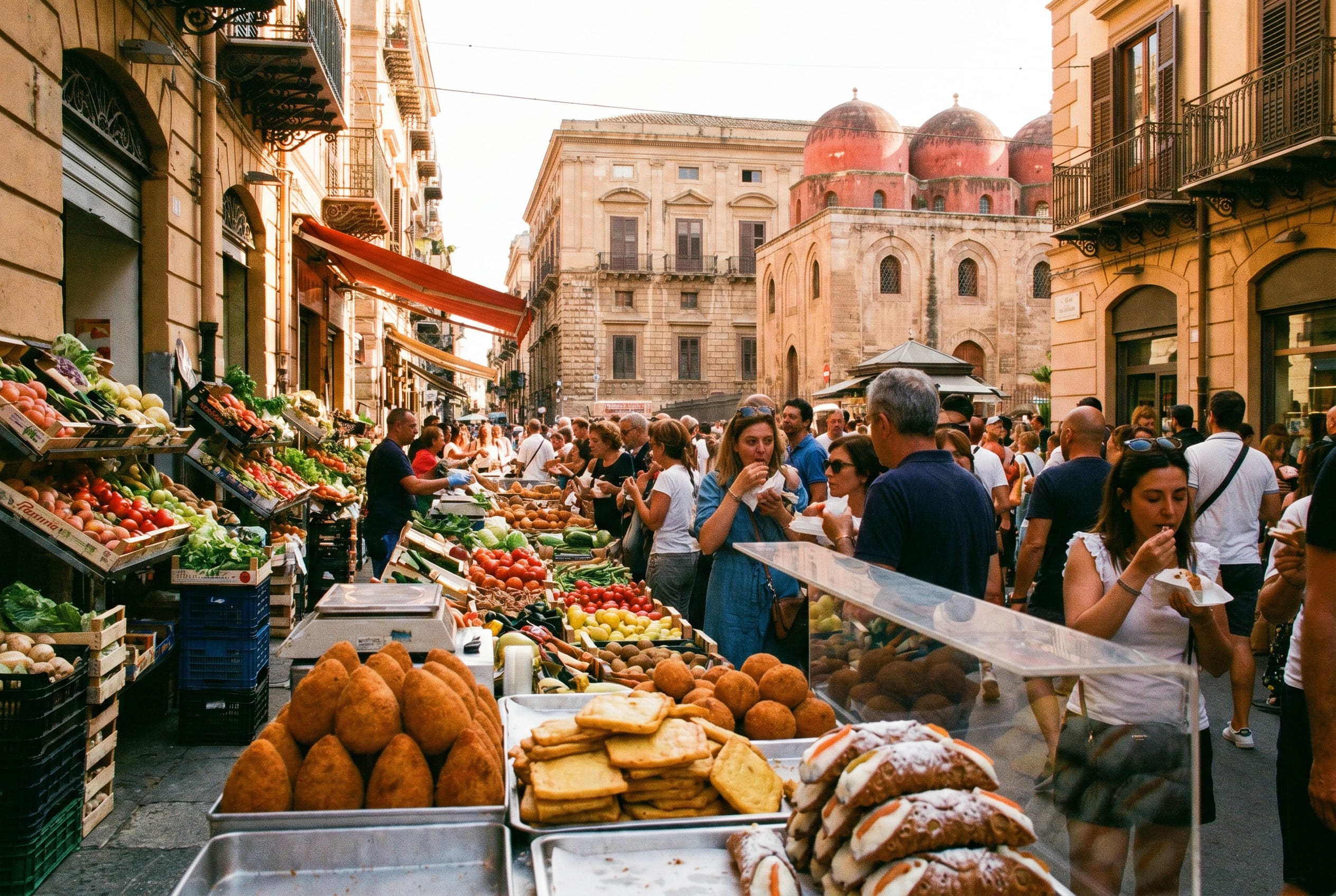
The Amalfi Coast is one of those places that photographs so well you almost worry the reality won’t match the picture. It does. The drive (or boat trip, which is a better idea in summer) between Positano, Amalfi and Ravello is spectacular, and each town has its own character. Sorrento, where Jo and Kush picked up work for bed and board, sits above the water with views across to Vesuvius and makes a good base for exploring the wider area.
If you want to avoid the worst of the summer crowds, May or September tend to hit a sweet spot; warm enough for the coast, quieter than peak July and August.
Kefalonia, Greece
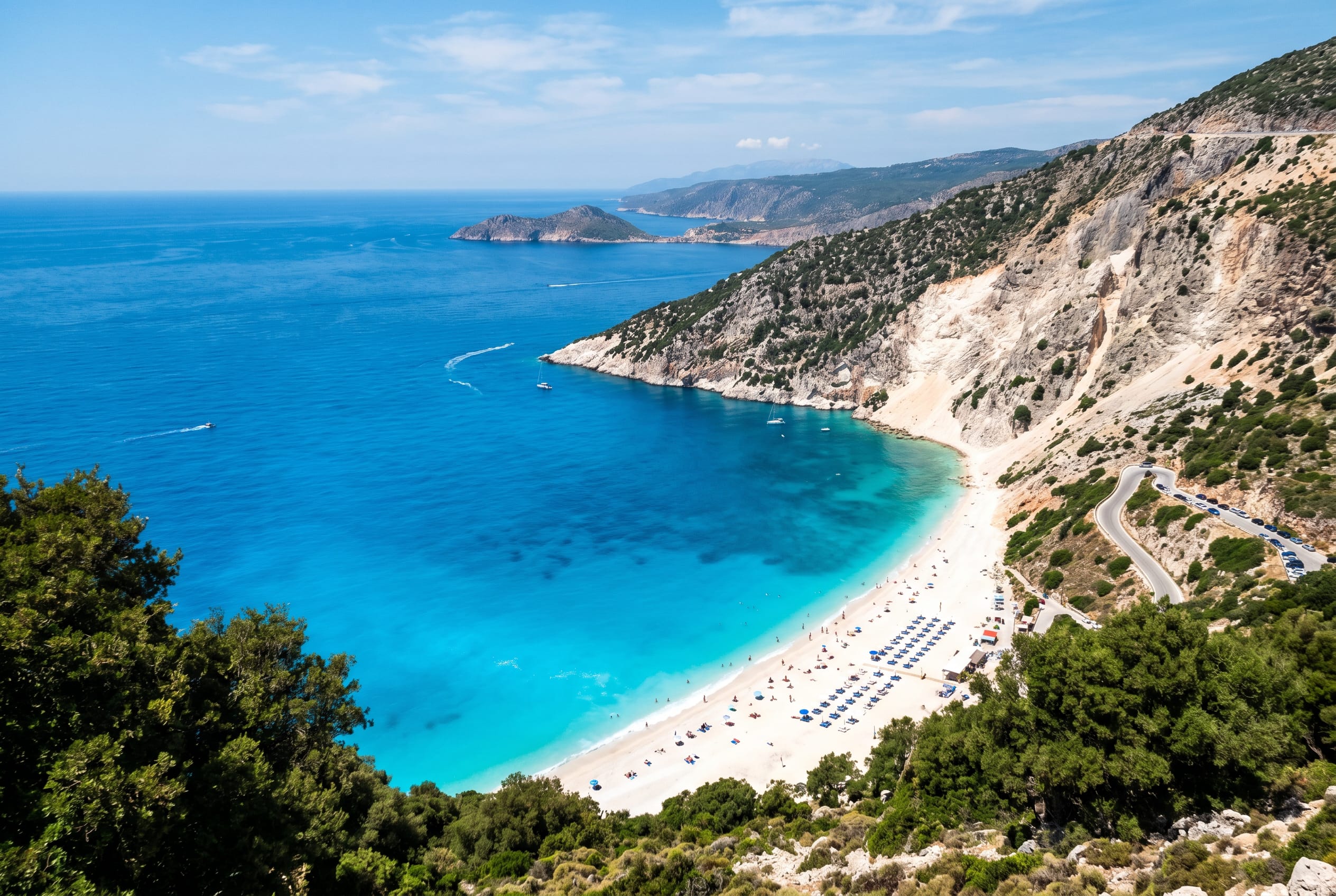
The first Race Across the World checkpoint was the Emelisse Nature Resort in Fiskardo – a pretty harbour village on the northern tip of Kefalonia. It’s one of the better-kept secrets among the Greek islands, largely because it didn’t suffer the same earthquake damage as much of the island in 1953 and has retained its original Venetian architecture.
Kefalonia tends to attract a slightly different crowd to the more frenetic Mykonos or Santorini, it’s popular with people who want genuine Greek island life rather than a party circuit. Myrtos Beach is widely regarded as one of the most spectacular beaches in Greece, with that almost unreal turquoise water you see on the postcards. The island also has a strong local wine culture, particularly around the Robola grape, if that’s your thing.
Getting there typically means flying into Kefalonia airport from the UK, with several operators running direct charter flights during summer.
Athens and the Aegean Islands
Several teams in the race chose to route themselves through Athens and island-hop across the Aegean to reach Turkey, via islands including Lesbos and Chios. It’s a route that looks a bit mad on a map but actually makes beautiful sense as a way to travel.
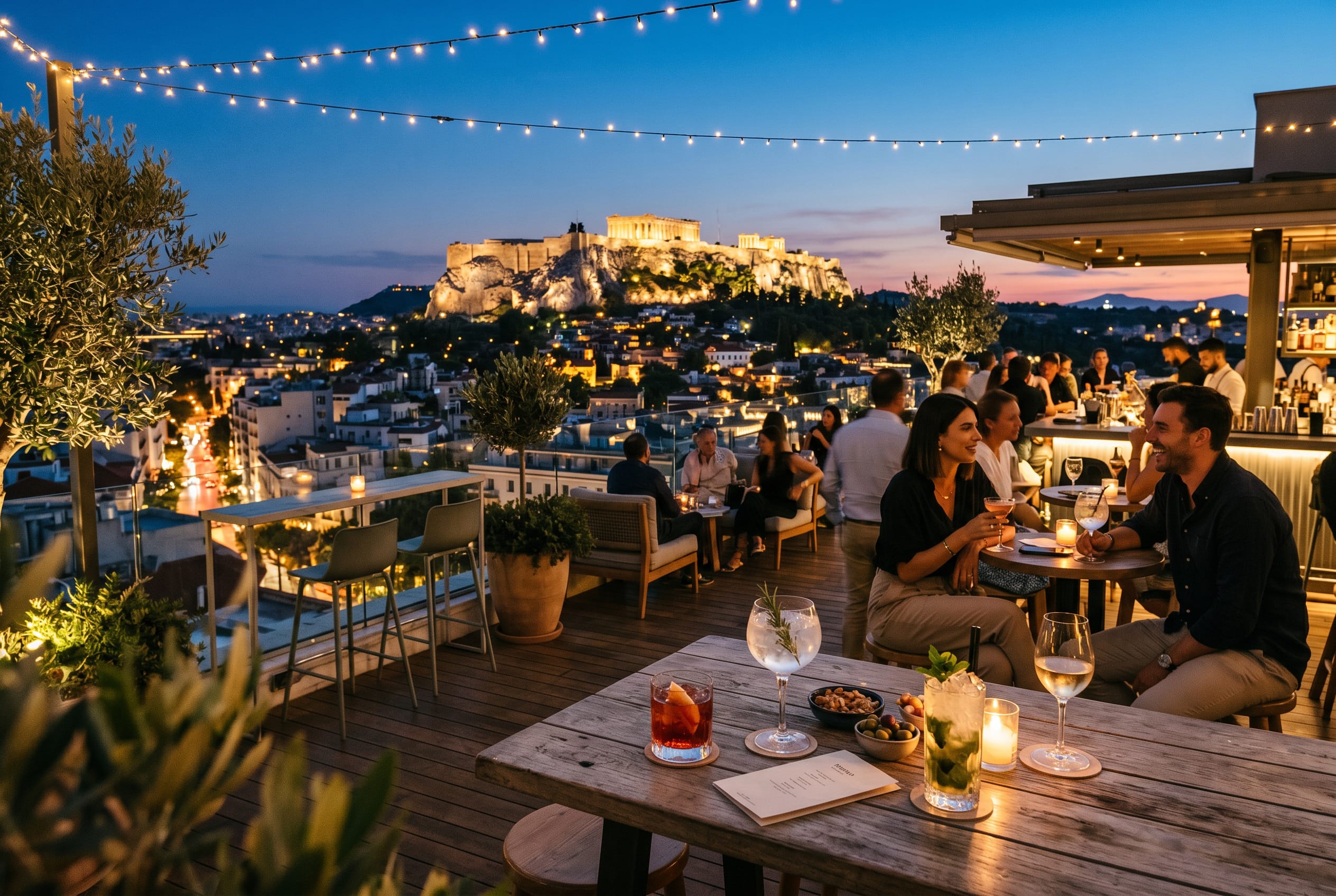
Athens is worth time in its own right, beyond being a transit hub. Yes, the Acropolis and the Parthenon are the obvious draws, and they remain impressive no matter how many times you’ve seen them in photos. But the city below is where it gets interesting – the Monastiraki flea market, the food scene in Exarcheia and Koukaki, the rooftop bars with Acropolis views, the archaeological museum. Athens has changed considerably over the last decade and the food and drink scene in particular has improved dramatically.
From Piraeus, ferries run regularly to the Cyclades, the Dodecanese and the northeastern Aegean islands. Chios, which featured in the race, is one of the lesser-visited islands and is well worth exploring, it produces most of the world’s mastic, a resin used in everything from chewing gum to liqueur, and the medieval village of Mesta is one of the most unusual settlements you’ll find anywhere in Greece.
Planning Your Own Version
The contestants raced through Italy and Greece in a matter of days. You could spend three weeks on this route and still feel like you’ve only scratched the surface.
A popular option is to fly into Palermo, spend four or five days in Sicily, take the ferry to Naples (yes, you can do this too and it’s a lovely crossing), work your way down the Amalfi Coast, then fly from Naples or Rome to Athens. From Athens, a few days in the city followed by a ferry to one of the Aegean islands gives you a trip that covers a remarkable amount of ground without ever feeling rushed.
The good news is that this entire region is well-served by the major tour operators, and there are options at every price point, from self-guided touring to fully escorted holidays where someone else handles the logistics.
If the race inspired you, the team at Spear Travels would love to help you put together your own version. A bit more comfortable, a bit less frantic and with a proper budget.
Rather speak to someone in person?