


The Golden Age of River Travel
River cruising has reached a tipping point. What was once considered a niche holiday option has become one of the most compelling ways to experience Europe. This is experiential travel at its finest: cultural immersion, exceptional comfort, and effortless exploration combined in a way that simply works.
The appeal is straightforward. You unpack once. Your floating boutique hotel transports you between Europe’s great cities while you sleep or enjoy the scenery. You wake each morning in a different historic location, step off your ship directly into city centres, and return each evening to familiar comfort. No dragging luggage through train stations, no navigating unfamiliar roads, no checking in and out of hotels.
This is slow travel that covers serious ground, offering depth without the exhaustion of constant movement.
Why River Cruising Has Come of Age
River cruising’s explosive growth reflects fundamental changes in how we want to travel. We’re seeking meaningful experiences over rushed sightseeing. We value cultural engagement over ticking boxes. We want comfort and ease without sacrificing authenticity.
River cruises deliver on all counts. The ships are intimate, typically carrying between 40 and 190 passengers compared to ocean liners’ thousands. This creates genuine community on board. You’ll recognise fellow passengers, share meals, swap stories about the day’s discoveries. It feels more like travelling with friends than being processed through a tourist machine.
Perhaps most importantly, river ships dock in the heart of cities. While ocean cruises leave you at port facilities requiring transfers into town, river cruising puts you steps from the city centre. You disembark in Vienna and you’re already there, ready to explore.
The Rhine: Castles, Vineyards, and Fairytale Landscapes
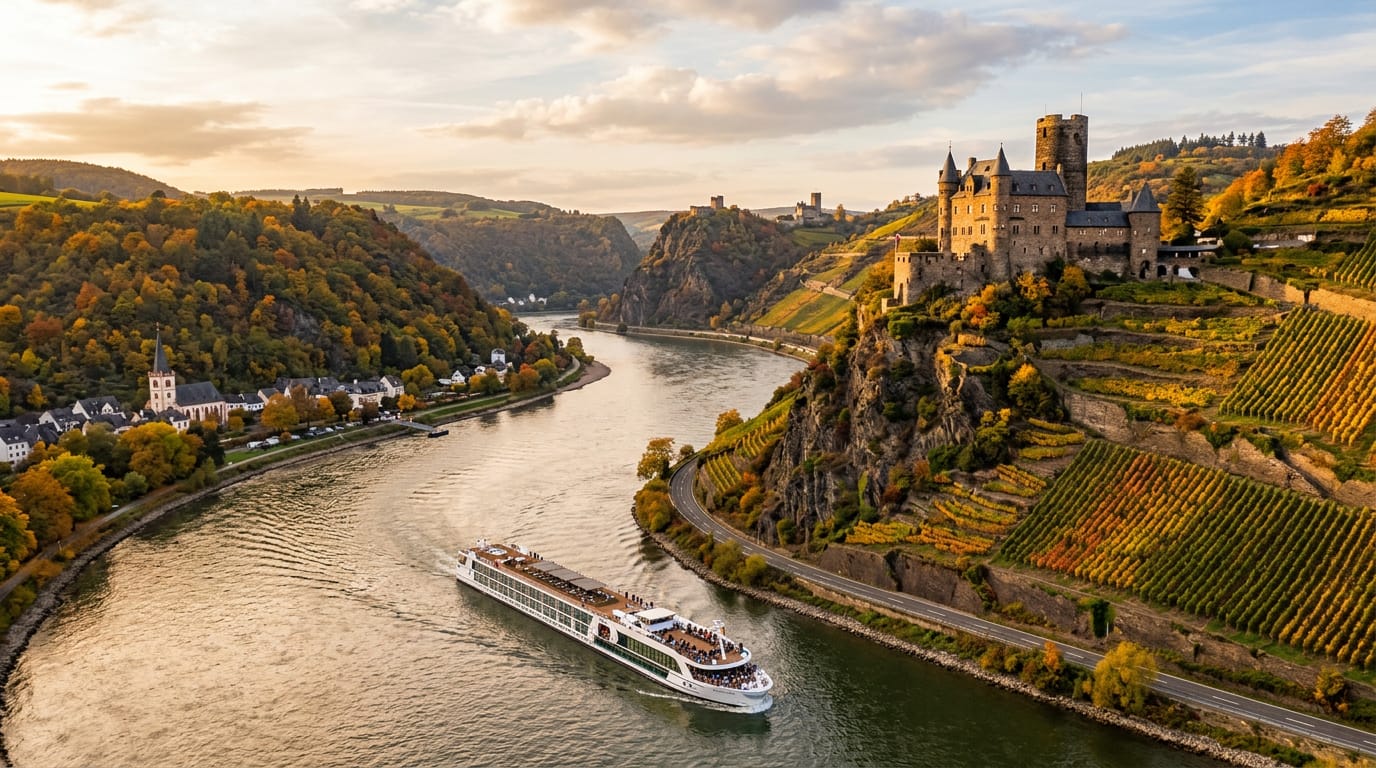
The Rhine journey, typically running between Amsterdam and Basel, passes through four countries and some of Europe’s most romantic landscapes. This is castle territory. The Middle Rhine section alone features over 40 castles and fortresses perched on clifftops, watching over the river as they’ve done for centuries.
Amsterdam opens the journey with its elegant canal houses, world-class museums, and cycling culture that makes the city endlessly explorable. As you sail south, the landscape shifts from flat Dutch countryside to Germany’s wine regions.
The Lorelei Rock, that legendary siren’s perch, marks one of the Rhine’s most dramatic sections. The river narrows, cliffs rise steeply on both sides, and you understand why this stretch inspired so many legends and poems.
Cologne Cathedral, soaring above the river, announces your arrival in one of Germany’s most vibrant cities. The ship docks close enough that the cathedral dominates your view, and you’re a short walk from the old town’s cafes and beer halls.
Strasbourg blends French and German influences beautifully. The medieval old town, surrounded by canals, centres on a cathedral that’s genuinely breathtaking. This is also where Christmas market cruises truly shine. Strasbourg’s Christkindelsmärik is one of Europe’s oldest and finest.
The Rhine’s wine regions provide constant interest. Rüdesheim and the Rheingau area produce excellent Rieslings. Many cruises include wine tastings at family-run estates, offering insight into German wine traditions that go back centuries.
The Danube: Waltzing Through Central Europe
The Danube route, connecting Budapest and Passau, delivers Central European culture in concentrated form. This is Habsburg territory: grand architecture, cafe culture, musical heritage, and a certain elegance that persists despite the 20th century’s upheavals.
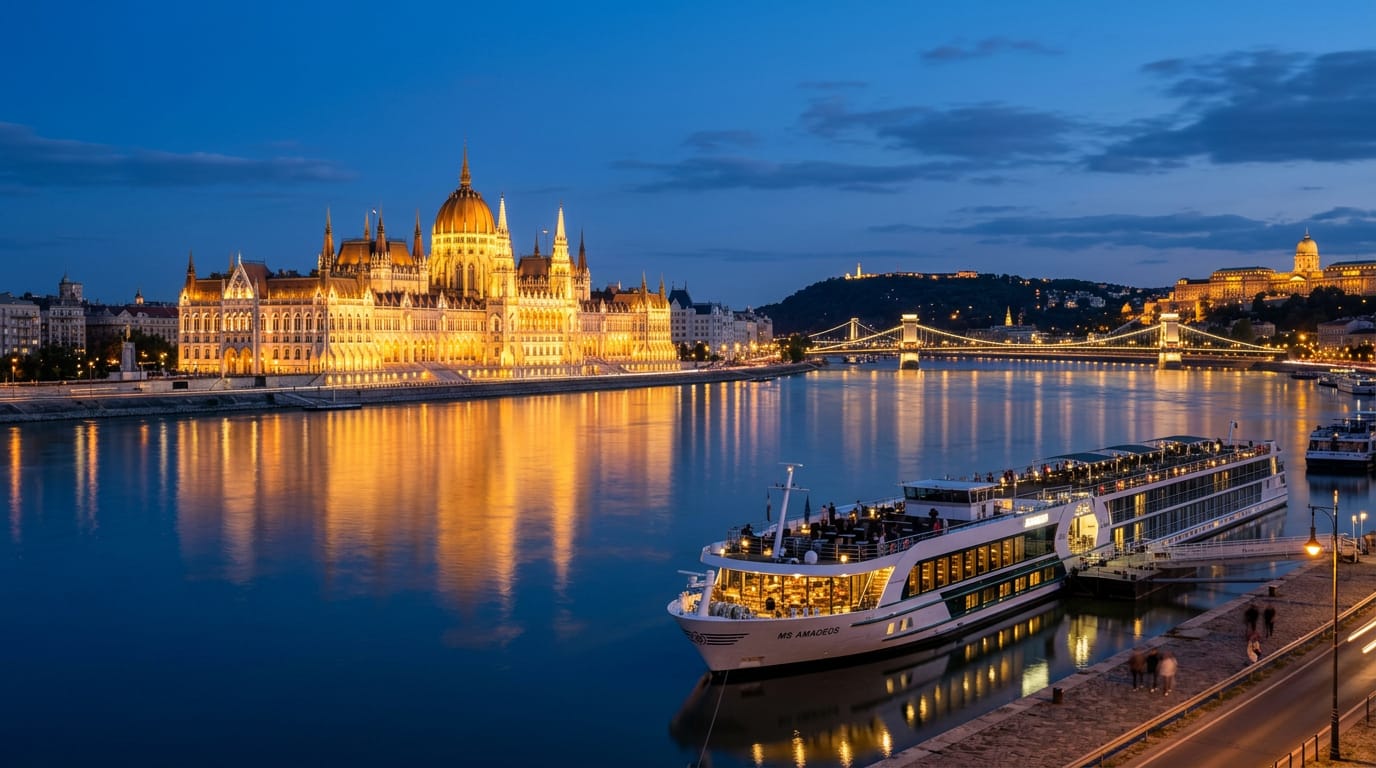
Budapest is spectacular from the river. The Parliament building, illuminated at night, reflected in the Danube, creates one of Europe’s great views. The city rewards exploration: thermal baths, ruin bars, the Castle District, the Jewish Quarter. Extended evening port calls in 2026 mean you can experience Budapest’s renowned nightlife and return to your ship late.
The Danube Bend, where the river curves through hills and past the dramatic Visegrad Castle, showcases Hungary’s natural beauty. This section also includes stops at smaller towns that receive fewer visitors but offer authentic glimpses of Hungarian life.
Vienna needs no introduction. The Ringstrasse, the opera house, the coffee houses, the art collections. This is a city that rewards revisiting, and river cruises increasingly offer longer stays. You might attend a performance, take a waltz lesson, visit the Belvedere to see Klimt’s Kiss, or simply settle into a traditional cafe with excellent cake and watch Vienna go by.
The Wachau Valley, a UNESCO World Heritage site, combines stunning vineyard-covered hills with charming towns like Dürnstein. This is where Danube cruising feels most idyllic: perfect proportions of nature, architecture, and cultivation creating landscapes that seem designed for pleasure.
Bratislava, Slovakia’s capital, often surprises passengers. The old town is compact and pretty, the castle offers river views, and the city has an appealing underdog energy compared to its more famous neighbors.
The Douro: Portugal’s River of Gold
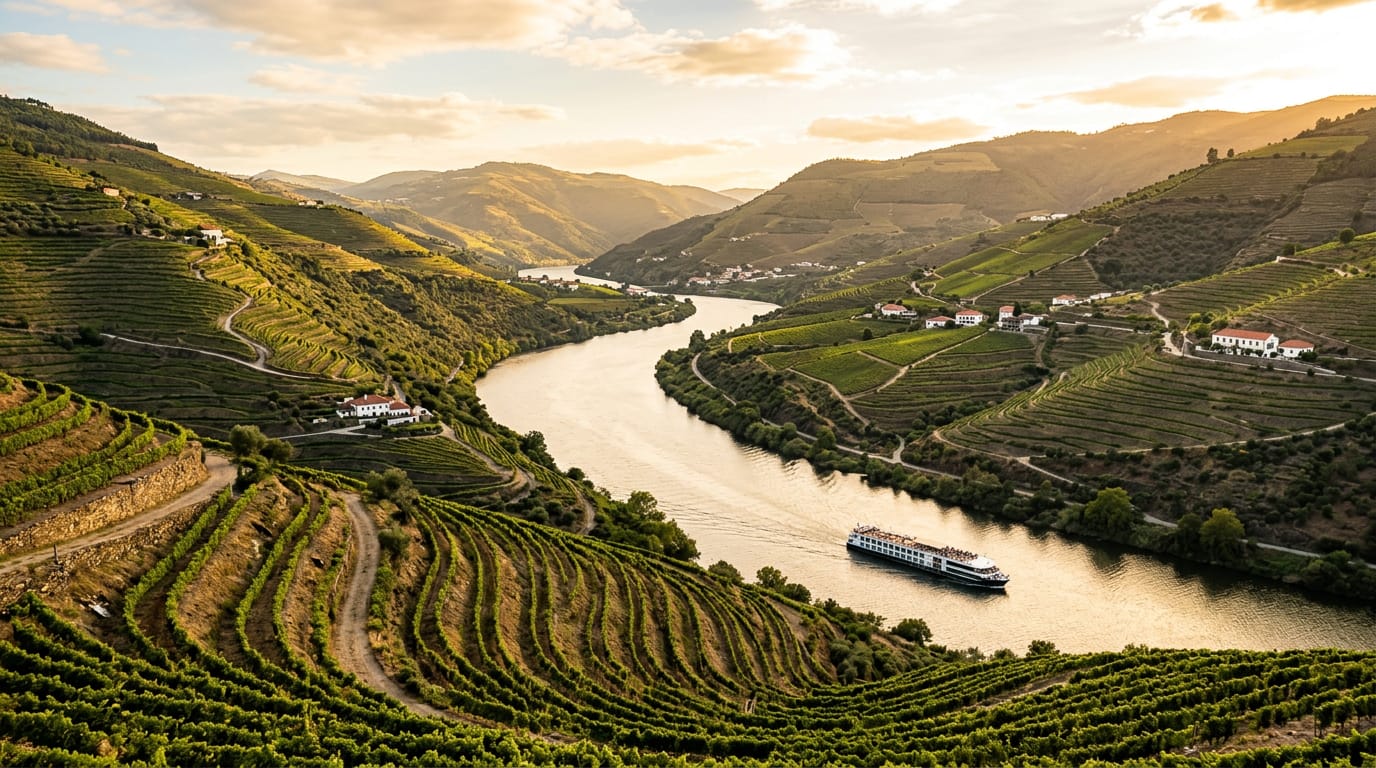
The Douro valley differs dramatically from the Rhine and Danube. This is Portugal’s wine country, where terraced vineyards climb impossibly steep hillsides, creating landscapes that have UNESCO protection for good reason.
Porto begins and often ends these cruises. This is a city experiencing a renaissance, combining traditional port wine culture with a contemporary food scene that’s earning serious recognition. The Ribeira district, tumbling down to the waterfront, is endlessly photogenic and genuinely lived-in.
As you sail east into the Douro Valley, the river narrows and the terraces become more dramatic. The landscape feels ancient, shaped by centuries of viticulture. Port wine production happens along this river, and visiting quintas (wine estates) provides insight into traditions that go back 2,000 years.
The Douro cruises tend to be smaller and more intimate than Rhine or Danube sailings. The river’s narrower, the ships are smaller, and the experience feels more exclusive. You’re not following the river cruise crowds because there are fewer of them here.
The Seine: Paris and Normandy Charm
Seine cruises offer Paris plus the landscapes that inspired Impressionist painters. These typically run between Paris and Honfleur or Le Havre, taking you through Normandy’s gentle countryside and historic sites.
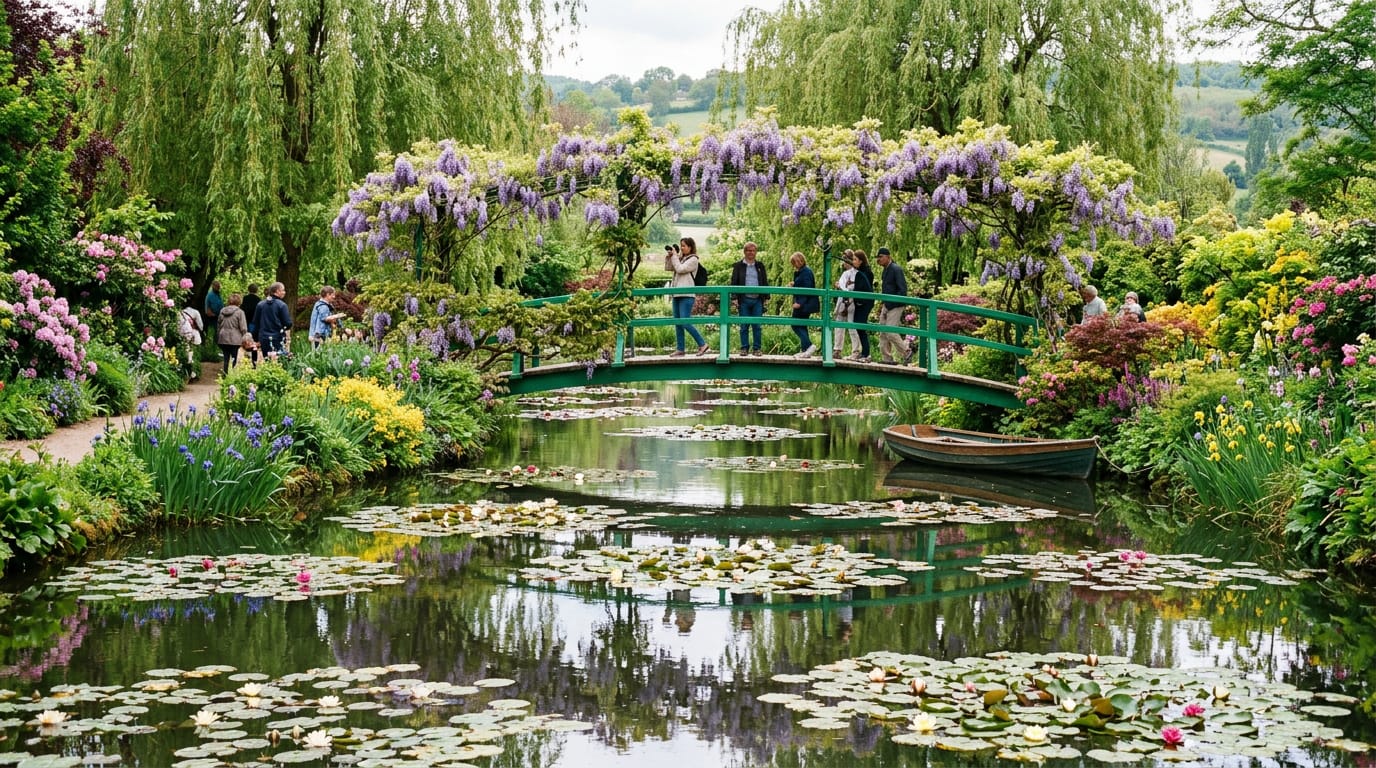
Spending time in Paris from your ship is brilliant. You dock within the city, can visit for evening excursions, and experience the city without hotel logistics. Giverny, Monet’s garden and inspiration, is typically included, letting you see the landscapes that shaped modern art.
The D-Day beaches and memorials in Normandy add historical weight. Vernon, Rouen, and smaller Norman towns provide that French provincial charm that’s increasingly hard to find unspoiled.
The Rhône: Southern France’s Sunshine and Wine
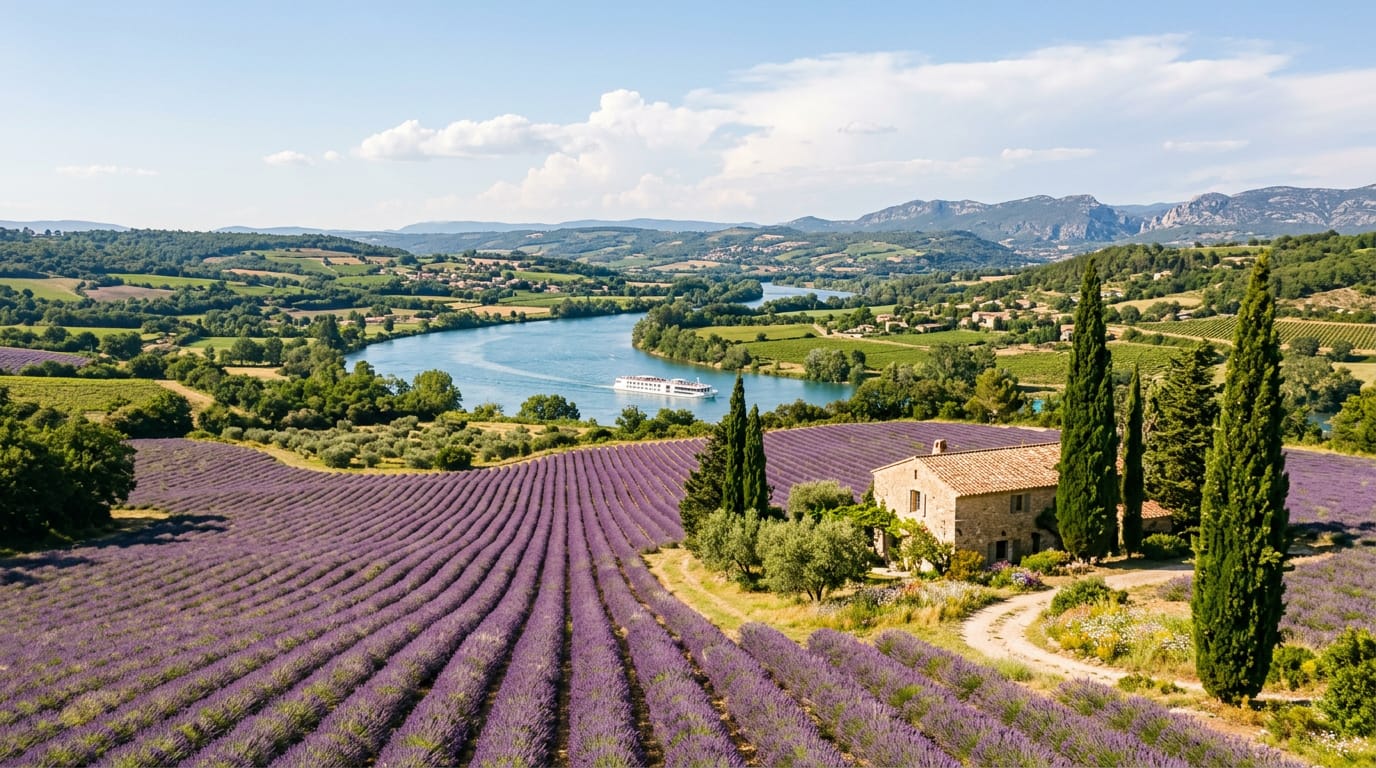
The Rhône cruises showcase southern France: Provence, wine regions, Roman ruins, and a more relaxed Mediterranean atmosphere. These tend to be particularly popular in spring and autumn when the weather is perfect and lavender fields (in summer) or autumn colours create stunning landscapes.
Lyon, France’s gastronomic capital, anchors many Rhône itineraries. This is serious food territory, with traditional bouchons serving Lyonnaise cuisine that’s been perfected over generations.
Avignon, with its papal palace and bridge of nursery rhyme fame, provides medieval grandeur. Arles, where Van Gogh painted some of his most famous works, retains the quality of light he captured.
Christmas Markets: The Ultimate Festive Experience
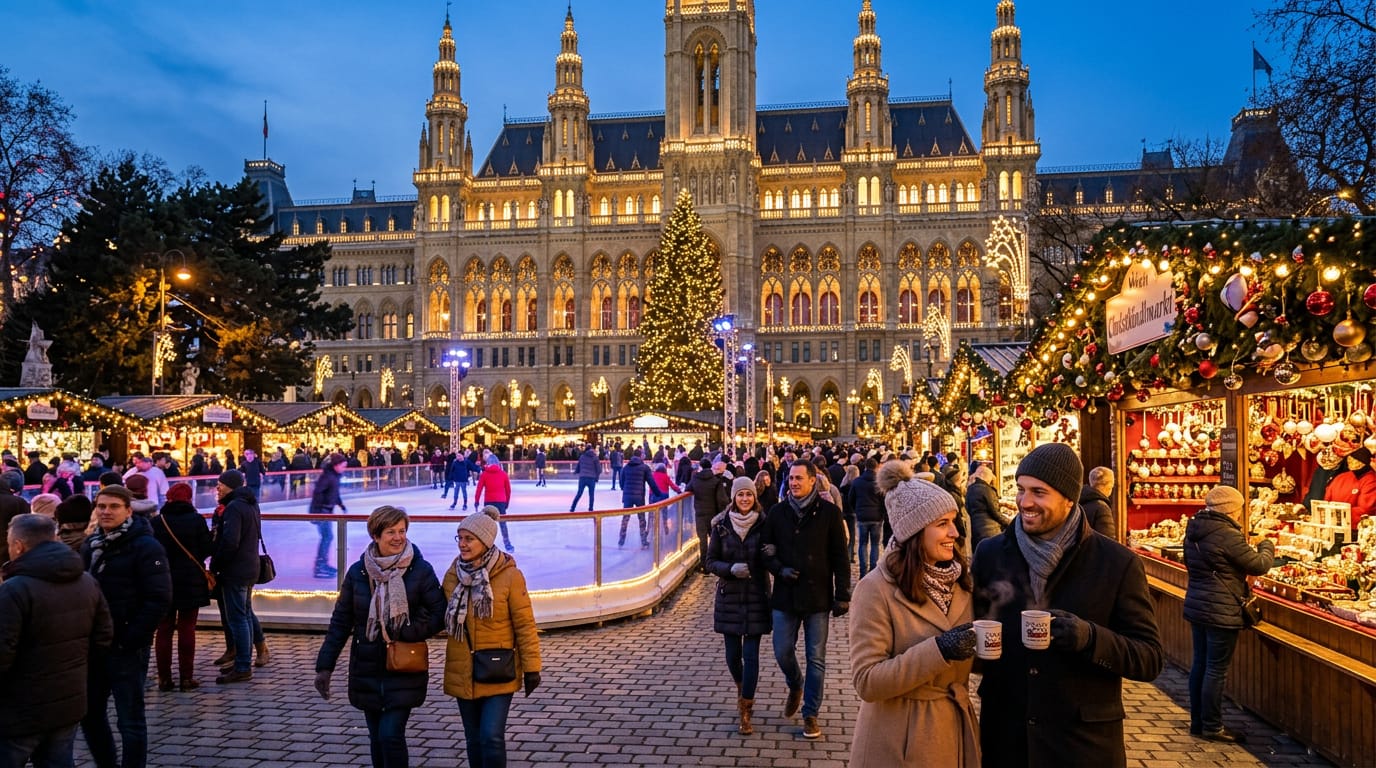
Christmas market cruises have become incredibly popular, and they’re booking out early for 2026. The combination of European Christmas markets with river cruising creates something magical.
The Rhine Christmas market cruises stop at multiple markets: Cologne, Strasbourg, Basel, Rüdesheim. Each has its own character, local specialities, handcrafted ornaments, and that particular festive atmosphere that northern European Christmas markets do so well.
The Danube markets, particularly Vienna’s, are equally special. Vienna’s Christmas market in front of the Rathaus is enormous and beautifully lit. The smell of mulled wine, roasted almonds, and gingerbread fills the air. Combined with the ship’s own festive decorations and special dinners, it’s an experience that makes the season truly special.
Making River Cruising Work for You
River cruising particularly suits certain travel styles. If you value:
- Unpacking once while covering significant ground
- Cultural experiences without logistics stress
- Meeting fellow travellers in intimate settings
- European history, architecture, and culture
- Scenic beauty experienced comfortably
Then river cruising deserves serious consideration.
The demographic ranges widely. Yes, many passengers are over 55, but younger couples, multi-generational families, and active adults all enjoy river cruising. The key is choosing the right line and itinerary for your interests.
Spring (April-May) brings tulip time cruises and perfect weather. Summer offers long days and maximum warmth. Autumn provides harvest season and beautiful colours. Winter is all about Christmas markets.
Why Book With Spear Travels
Our river cruise specialists have sailed these routes, know the ships, understand which cabins offer best value, and can advise on the hundred small decisions that shape your experience.
We’ll help you choose the right cruise line for your preferences, select the ideal itinerary, arrange pre and post-cruise hotel stays, and ensure you’re not missing anything that would enhance your journey.
Make this the year you discover Europe from its greatest rivers.
Rather speak to someone in person?