


Astrotourism and Dark Sky Destinations
When did you last see the Milky Way stretching across the night sky? For most of us living in towns and cities, genuine darkness has become a rarity. Light pollution means we’ve lost connection with something our ancestors took for granted: a sky full of stars.
Astrotourism is changing that. This growing travel trend takes you to the world’s darkest, clearest skies where the universe reveals itself in breathtaking detail. Whether you’re hoping to witness the Northern Lights dancing overhead, photograph the Milky Way in stunning clarity, or simply stand beneath a sky so full of stars it takes your breath away, these destinations offer experiences you’ll never forget.
2026 is particularly special for astrotourism. On 12th August, a total solar eclipse will pass over parts of Europe, creating a once-in-a-lifetime opportunity to witness one of nature’s most spectacular events.
Iceland: Where Fire, Ice, and Northern Lights Meet
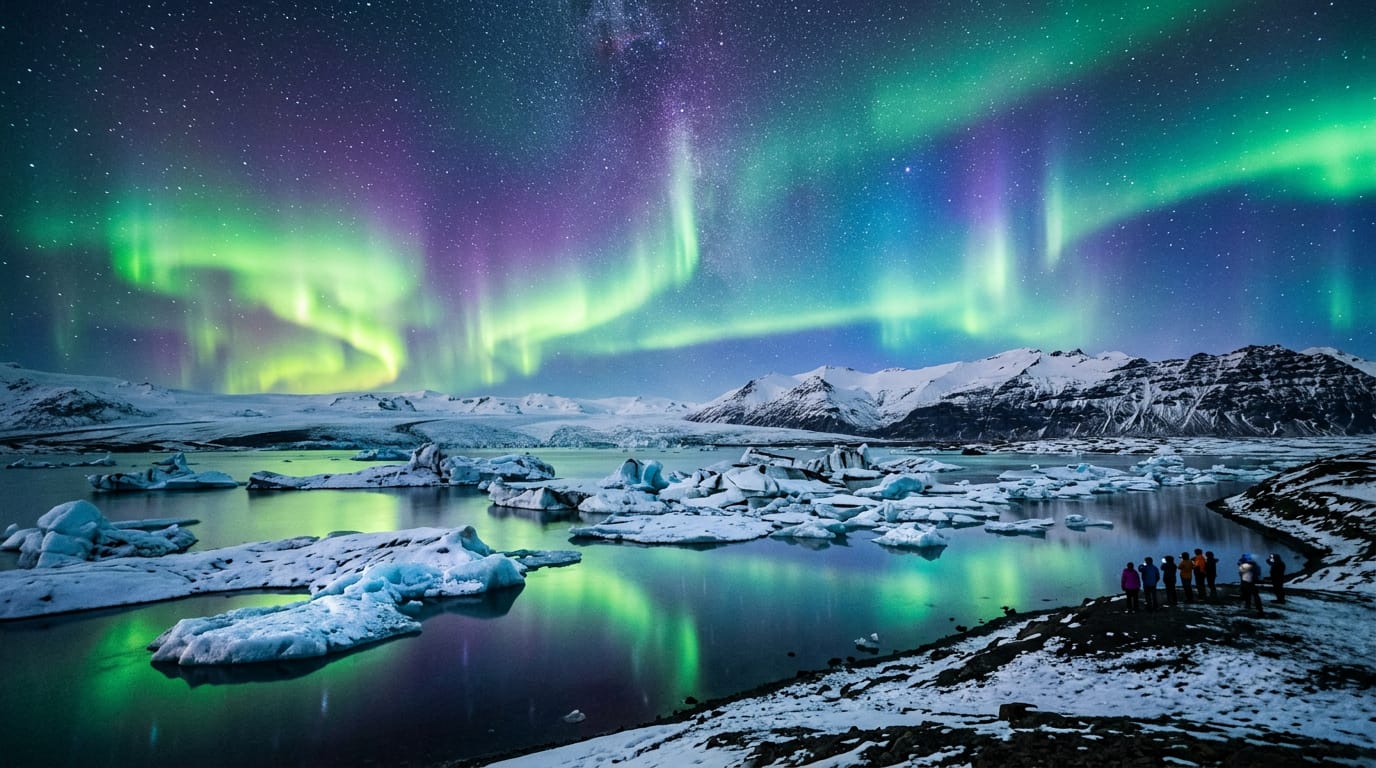
Iceland has become synonymous with Northern Lights tourism, and for good reason. Located just below the Arctic Circle, it offers excellent aurora viewing combined with dramatic landscapes and surprisingly good accessibility.
The Northern Lights, or aurora borealis, occur when charged particles from the sun collide with gases in Earth’s atmosphere. The result is one of nature’s most magical displays: curtains of green, pink, and purple light dancing across the night sky. While you can never guarantee seeing them, Iceland’s position and dark winter nights give you excellent chances between September and April.
But Iceland offers so much more than aurora hunting. Days can be spent exploring ice caves, soaking in geothermal hot springs, walking behind waterfalls, or hiking across otherworldly lava fields. The combination of dramatic landscapes and incredible night skies makes Iceland a complete adventure destination.
Winter nights are long and dark, perfect for Northern Lights viewing. Imagine watching the aurora reflected in a glacial lagoon or photographing it above a black sand beach. These are the experiences that stay with you forever.
Our Iceland specialists know the best viewing spots, the most reliable guides, and how to balance aurora hunting with daytime adventures. We’ll also ensure you’re dressed properly because standing outside on an Icelandic winter night requires the right gear.
Chile’s Atacama Desert: The Clearest Skies on Earth
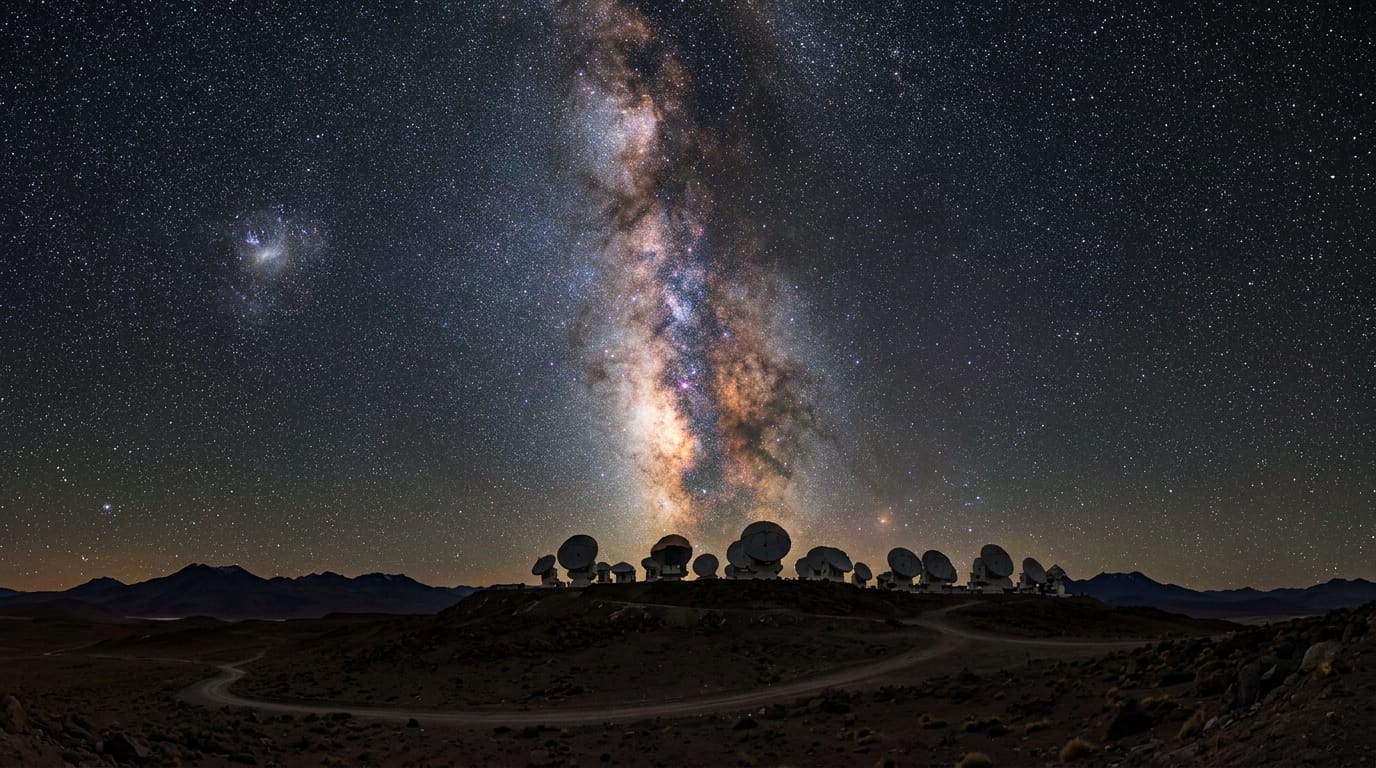
If Iceland represents one extreme of astrotourism, Chile’s Atacama Desert represents another. This is the driest non-polar desert on Earth, with minimal humidity, virtually no light pollution, and high altitude. The combination creates what many astronomers consider the best stargazing conditions anywhere.
The Atacama is home to several world-class observatories, including ALMA, the largest astronomical project on Earth. Some observatories offer public tours, giving you the chance to see cutting-edge equipment and learn from professional astronomers.
But you don’t need a massive telescope to appreciate the Atacama’s night sky. With the naked eye, you’ll see the Milky Way in astonishing detail, countless stars invisible from Europe, and the Southern Cross constellation. Through binoculars or a small telescope, you can observe nebulae, star clusters, and distant galaxies that most people only see in photographs.
The desert landscape is stunning in its own right. By day, you can explore salt flats, geysers, flamingo-filled lagoons, and rock formations that resemble lunar landscapes. As the sun sets, the sky erupts in colours, and then the stars emerge. It’s an experience that photographers and nature lovers rank among their all-time favourites.
New Zealand: Southern Hemisphere Stargazing
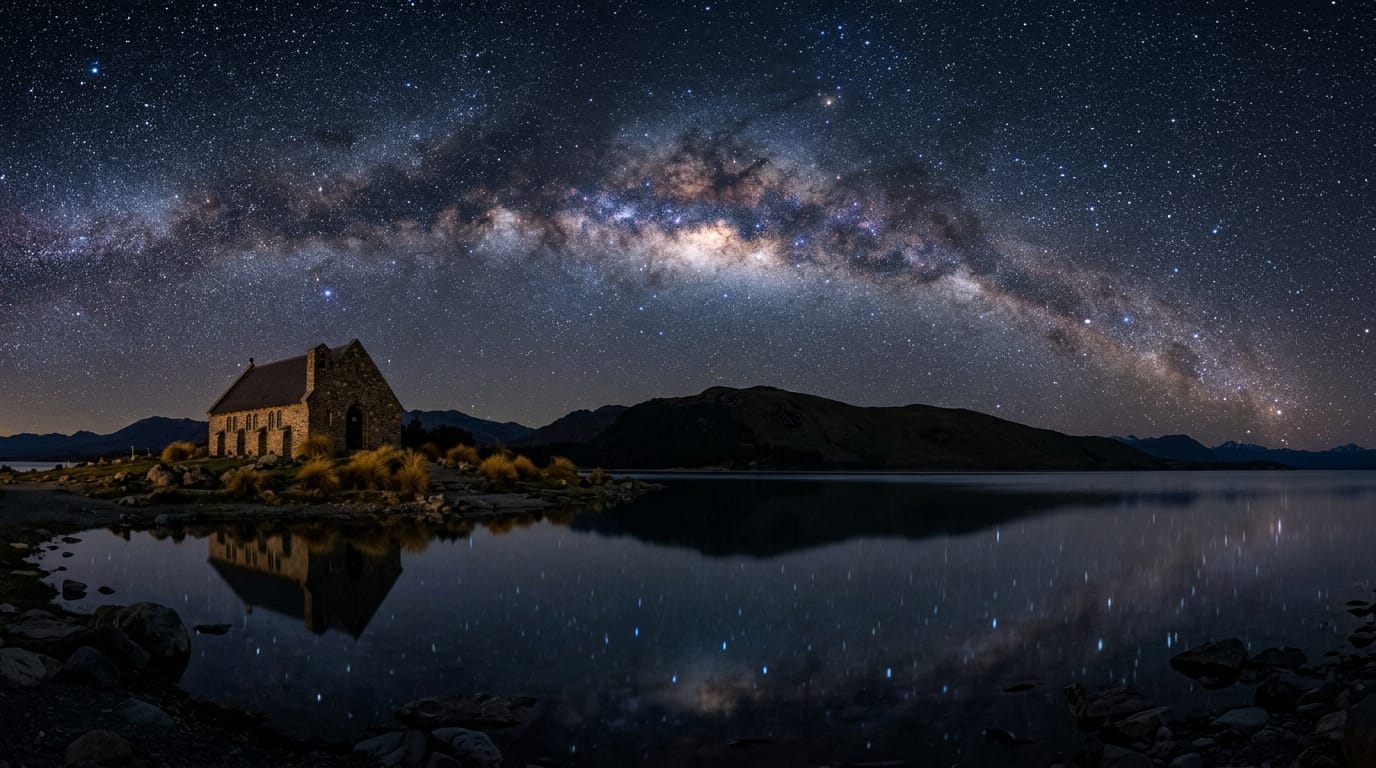
New Zealand has taken dark sky protection seriously. The Aoraki Mackenzie International Dark Sky Reserve was the world’s largest when established, and New Zealand now boasts several certified Dark Sky places where local communities actively work to reduce light pollution.
The Southern Hemisphere offers different celestial sights than we see from the UK. The Magellanic Clouds, satellite galaxies of the Milky Way, are clearly visible to the naked eye. The centre of our galaxy passes directly overhead, creating spectacular viewing opportunities.
Lake Tekapo, at the heart of the Dark Sky Reserve, has become a pilgrimage site for astronomers and photographers. The combination of crystal-clear skies, mirror-calm lake reflections, and the iconic Church of the Good Shepherd creates photographic opportunities that grace calendars and Instagram feeds worldwide.
Mount John Observatory offers guided stargazing tours where expert astronomers share their knowledge while you observe through powerful telescopes. You’ll see planets in detail, distant galaxies, colourful nebulae, and star clusters that take your breath away.
New Zealand also offers incredible daytime activities, from hiking to wine tasting, making it perfect for combining stargazing with a broader exploration of this beautiful country.
Scotland’s Dark Skies: Closer Than You Think
You don’t need long-haul flights to experience incredible stargazing. Scotland offers some of Europe’s darkest skies, and several areas have achieved International Dark Sky status.
Galloway Forest Park became Britain’s first Dark Sky Park, and on a clear night, you can see the Milky Way, countless stars, and even the Andromeda Galaxy with the naked eye. The park runs astronomy events with expert guides who’ll help you navigate the night sky and understand what you’re seeing.
The Isle of Coll, off Scotland’s west coast, is another certified Dark Sky island. Its remote location and lack of light pollution create superb stargazing conditions. Combine this with Scotland’s other attractions, from whisky distilleries to historic castles, and you have a holiday that works on every level.
Scotland also gives you a chance to see the Northern Lights. While less reliable than Iceland, the aurora does appear over Scotland, particularly from the northern islands. Seeing them dancing above a Scottish loch or historic castle would be genuinely special.
Norway: Arctic Skies and Midnight Sun
Northern Norway offers another excellent base for aurora hunting. Tromso, often called the “Gateway to the Arctic”, sits well inside the Arctic Circle and experiences long winter nights perfect for Northern Lights viewing.
Norwegian aurora tours often incorporate other Arctic experiences: dog sledding through snow-covered forests, visiting Sami reindeer herders, or staying in glass-roofed cabins designed specifically for aurora viewing from bed. The combination creates a complete Arctic adventure.
Return in summer, and you’ll experience the opposite extreme: the Midnight Sun. For weeks, the sun never sets, bathing the landscape in golden light at all hours. It’s a different kind of celestial wonder, equally memorable.
Planning Your Astrotourism Adventure
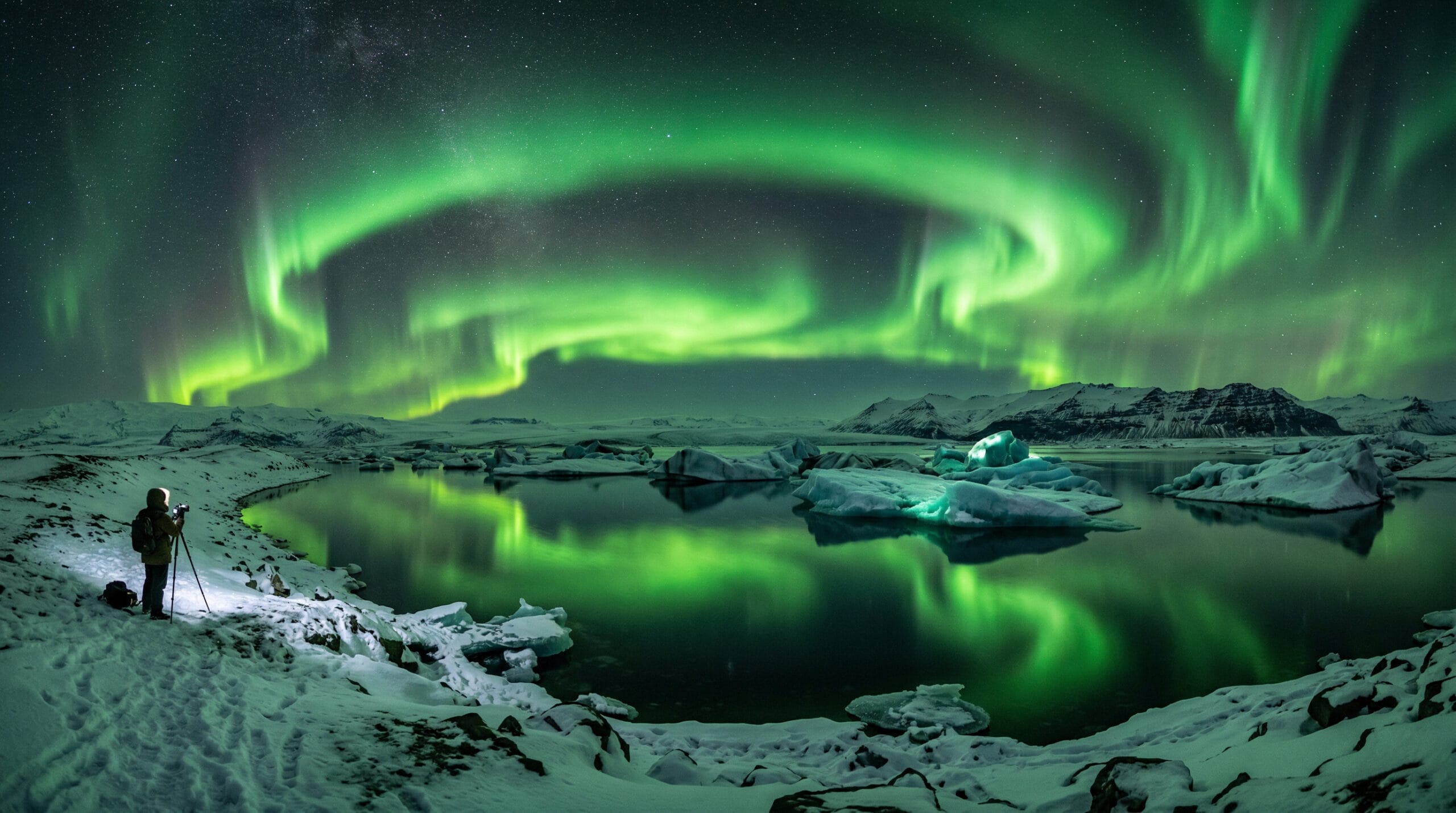
Successful stargazing requires planning. For Northern Lights, winter months offer the best chances, but weather matters enormously. Clear skies are essential, so staying several nights increases your odds of good conditions.
For dark sky destinations, new moon periods offer the darkest skies. Our travel experts can help you time your trip perfectly, combining optimal moon phases with good weather probabilities and any special celestial events.
Photography enthusiasts should note that capturing the night sky requires some specific gear and knowledge. Many tours include photography guidance, helping you take home images worthy of your experience.
The 12th August 2026 total solar eclipse is already generating huge interest. If you want to witness this remarkable event, early planning is essential. We can help you secure accommodation along the eclipse path and arrange viewing experiences that make the most of this rare opportunity.
See the Universe Differently
Looking up at a truly dark sky full of stars reminds us of our place in the universe. It’s humbling, inspiring, and beautiful in a way that’s hard to put into words. Whether you’re chasing the Northern Lights in Iceland, stargazing in Chile’s desert, exploring New Zealand’s dark sky reserves, or witnessing a total solar eclipse, you’re connecting with something ancient and profound.
Our team understands that astrotourism isn’t just about the night sky. It’s about the complete experience: the destination, the journey, the daytime adventures, and those magical nights under the stars. We’ll help you choose the perfect location, time your visit for optimal conditions, and create a holiday that delivers on every level.
With ABTA and ATOL protection and decades of experience, you can trust us to make your stargazing adventure truly stellar.
Make this the year you rediscover the night sky.
Rather speak to someone in person?