


Culinary Destinations Worth Planning Around
Something has shifted in how we travel. Where once we chose destinations for landmarks and beaches, increasingly we’re planning trips around what’s on the plate. Food has become the lens through which we experience culture, history, and place. And honestly? It’s the best decision we ever made.
Culinary tourism is booming. This isn’t about chasing Michelin stars or ticking off celebrity chef restaurants. It’s about authenticity, storytelling, and connecting with places through their most honest expression: the food people actually eat.
The destinations leading this movement aren’t necessarily the ones you’d expect. Yes, Italy and France remain glorious, but the most exciting food travel happens in places where culinary traditions run deep, where locals still shop at daily markets, and where a great meal doesn’t require a month’s salary.
Crete: Europe’s Region of Gastronomy 2026
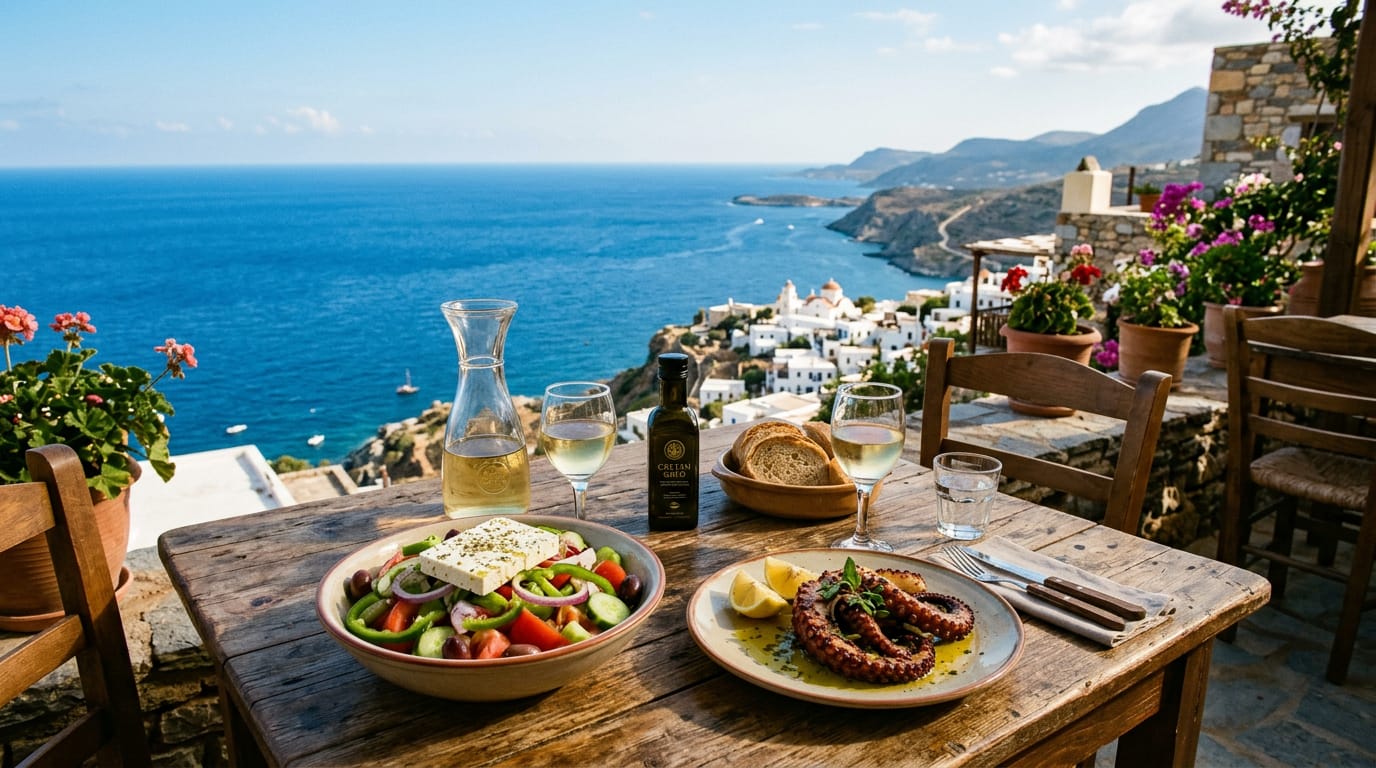
Crete has been officially designated the European Region of Gastronomy for 2026, and if you’ve eaten there, you’ll understand why. This isn’t food that tries to impress you with technique or presentation. It impresses you with flavour, simplicity, and ingredients so good they need almost nothing done to them.
Cretan cuisine centres on exceptional olive oil, wild herbs gathered from hillsides, seasonal vegetables that taste like they should, and seafood pulled from the sea that morning. The island’s food varies dramatically from region to region. What you eat in mountain villages differs from coastal towns, and that diversity within one island creates endless discovery.
You’ll find everything from traditional family-run tavernas serving dishes that haven’t changed in generations to refined restaurants earning Michelin recognition while staying rooted in local traditions. The common thread is respect for ingredients and techniques passed down through families.
The wine is getting serious attention too. Cretan vineyards produce varieties you won’t find elsewhere, and pairing local wines with local food in a centuries-old village feels like the kind of experience you travel for.
Spring and autumn are ideal for visiting. The weather is perfect, produce is at its peak, and you’ll experience Crete as locals do, without the summer crowds.
Vietnam: Street Food as High Art
Vietnam has mastered something remarkable: creating food that’s simultaneously sophisticated and completely accessible. The finest meals often cost less than a fancy coffee back home, served from street stalls or family-run shops that have perfected one dish over decades.
Pho in Hanoi, banh mi in Hoi An, cao lau’s unique preparation that uses water from one specific well. These aren’t just meals; they’re cultural treasures. Research shows over 70% of international visitors cite food as a key attraction, and Vietnamese cuisine ranks among the top three most memorable travel experiences.
What makes Vietnamese food tourism special is the storytelling. Every dish has history. The French influence shows in banh mi’s crusty bread. Chinese techniques appear in noodle preparation. Indigenous herbs and fish sauce create flavours found nowhere else.
The food tours here are genuinely educational. Scooter tours through Ho Chi Minh City, stopping at stalls locals swear by. Market tours in Hoi An where you shop for ingredients before cooking them. These experiences book months ahead because they deliver something packaged tours cannot: genuine connection to place through food.
Cooking classes take you beyond observation to participation. You’ll learn why certain herbs must be added at specific times, how to achieve the perfect broth, why balance matters more than any individual flavour. You’ll return home with skills and understanding, not just memories.

Thailand: From Street Stalls to Michelin Recognition
Thailand’s food scene has always been exceptional. What’s changed is global recognition of that fact. The 2026 Michelin Guide for Thailand includes 137 restaurants with Bib Gourmand distinctions, those places serving outstanding food at moderate prices.
But Thailand’s genius is operating at every level simultaneously. You can have a transcendent meal from a street cart for £2, or book months ahead for a restaurant pushing Thai cuisine into new territory. Both experiences are valid. Both are worth your time.
Bangkok’s street food markets remain incredible. The variety is staggering: pad thai, tom yum goong, som tam, moo ping, mango sticky rice, and hundreds of dishes you’ve never heard of. The BTS Skytrain makes navigation easy, and the city somehow balances ancient temples with a food scene that never stops evolving.
Chiang Mai in the north offers different specialities and a calmer pace. The night markets there feel more approachable, and cooking schools teach northern Thai dishes that differ significantly from central and southern styles.
Thailand also delivers on value. Your money goes further here than almost anywhere else offering this quality and variety. You can eat exceptionally well on a modest budget, or splurge on high-end dining that still costs a fraction of equivalent experiences in Europe.

Portugal: Farm-to-Table Before It Was Trendy
Portugal has practised farm-to-table dining for centuries, not as a trend but as the only way things made sense. Small-scale farming, fishing communities, family recipes, seasonal cooking. These aren’t marketing points; they’re how Portuguese food works.
Porto deserves particular attention. The city’s food scene balances traditional and contemporary beautifully. You’ll find women who’ve run the same restaurant for 40 years serving francesinha, that gloriously excessive sandwich that sums up Portuguese generosity. You’ll also find young chefs reimagining Portuguese classics with modern techniques while respecting their roots.
The Douro Valley combines stunning scenery with port wine lodges and restaurants sourcing ingredients from surrounding farms. The connection between land and plate is direct and obvious.
Lisbon’s food scene has exploded recently. The TimeOut Market gathers some of the city’s best chefs under one roof, but the real joy is wandering neighborhoods finding tascas, those small family places serving bacalhau a dozen different ways, fresh grilled sardines, and pastéis de nata that make you understand what the fuss is about.
Portuguese wine deserves attention beyond port. Vinho verde, Alentejo reds, Douro table wines. The variety is impressive, and it pairs perfectly with the cuisine.

Fez: Morocco’s Culinary Heart
Fez cuisine represents centuries of Fassi cooking traditions: fragrant spices, olive oil, dried fruits, fresh herbs, layers of flavour built patiently. Meals here are designed to be unhurried, to create experiences rather than simply fuel bodies.
The medina’s food scene overwhelms the senses in the best way. Spice stalls, bread baking in communal ovens, tagines simmering, mint tea pouring from height to create the perfect foam. This is food embedded in daily life rather than packaged for tourists.
Cooking classes in riads, traditional houses, teach you Moroccan techniques and hospitality traditions. You’ll shop in the souk for ingredients, learning what to look for, how to bargain respectfully, why certain vendors are trusted.
The dishes you’ll encounter, pastilla (that sweet and savoury pigeon pie), various tagines, couscous prepared properly, preserved lemons, harira soup, are deeply tied to Moroccan history and the specific character of Fez.
Planning Your Food-Focused Journey
The shift toward food tourism reflects what travellers really want: authentic experiences, cultural connection, and memories created through shared meals rather than sightseeing fatigue.
Between 60% and 80% of travellers now consider food a key factor in choosing destinations. That’s a fundamental shift in how we travel, and it’s led to better experiences. When you plan around food, you end up in local neighborhoods, meeting producers, understanding regions through what they grow and how they cook it.
Whether you want street food adventures, Michelin-starred dining, cooking classes, wine pairings, or combinations of everything, we’ll create itineraries that satisfy your curiosity and your appetite.
Make this the year food leads you to unforgettable places.
Rather speak to someone in person?