

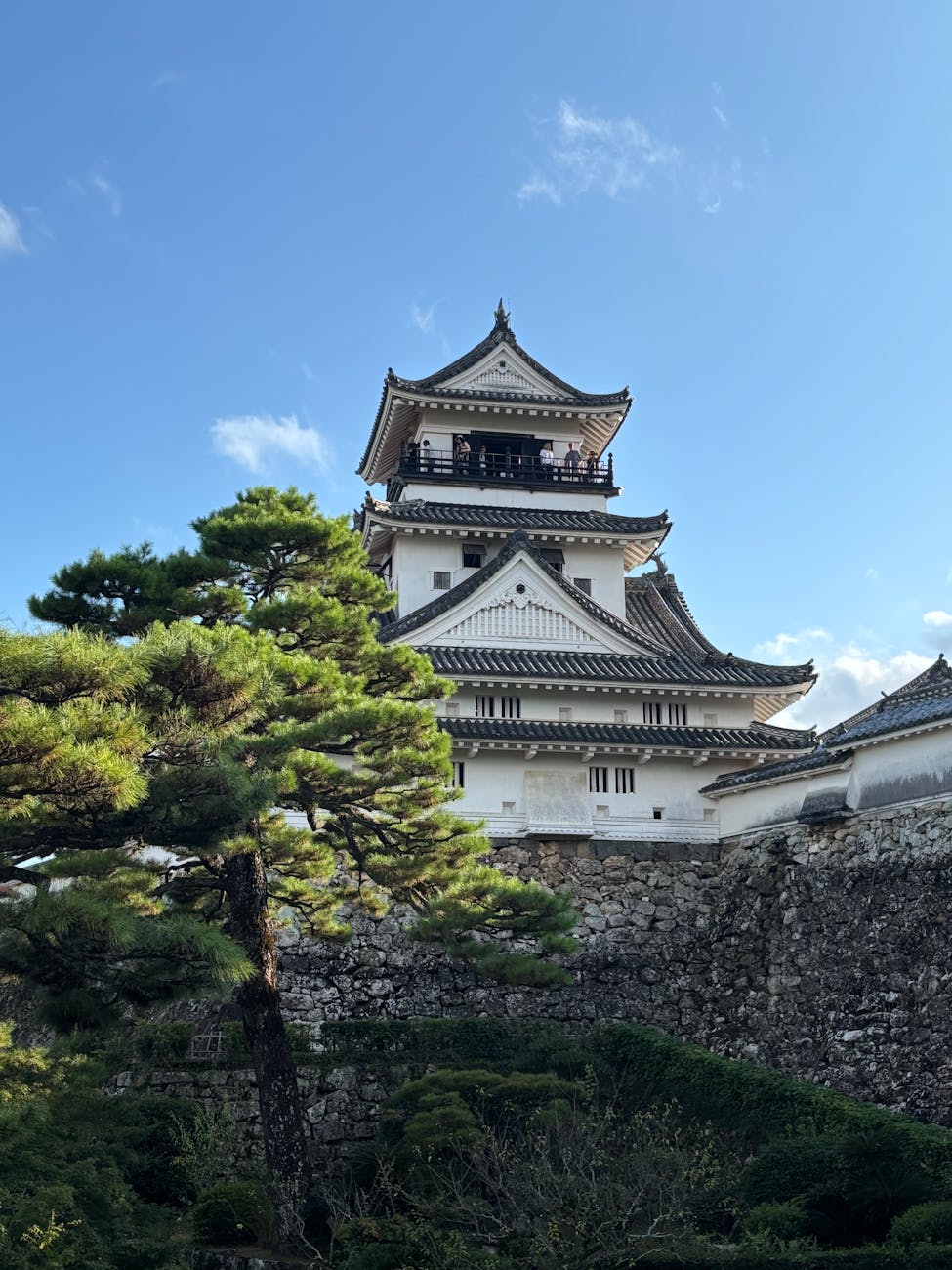
Your Complete Guide to One of the World’s Most Extraordinary Destinations
Japan is one of those places that gets under your skin. You go once, and you’re already planning when to go back. There’s nowhere else quite like it, a country where ancient temples sit at the foot of neon-lit cities, where bullet trains blur through rice fields, and where the food alone is worth the flight.
If you’ve been thinking about Japan but haven’t quite taken the plunge, this guide is for you. And if you’ve been before and are wondering what else there is to see, trust us, you’ve barely scratched the surface.
Why Japan?
Japan consistently tops the wish lists of seasoned travellers, and it’s not hard to understand why. The contrast here is unlike anywhere else. One afternoon you could be standing in a 1,400-year-old Shinto shrine, the next evening you’re in a glass-fronted bar on the 52nd floor of a Tokyo skyscraper. History, modernity, nature, food, culture: Japan delivers all of it without compromise.
For UK travellers, it sits at roughly 12 hours from London, which puts it in that sweet spot of “long-haul adventure without feeling like the other side of the universe.” Direct flights operate from Heathrow to Tokyo’s Haneda airport, making the logistics simpler than many people assume.
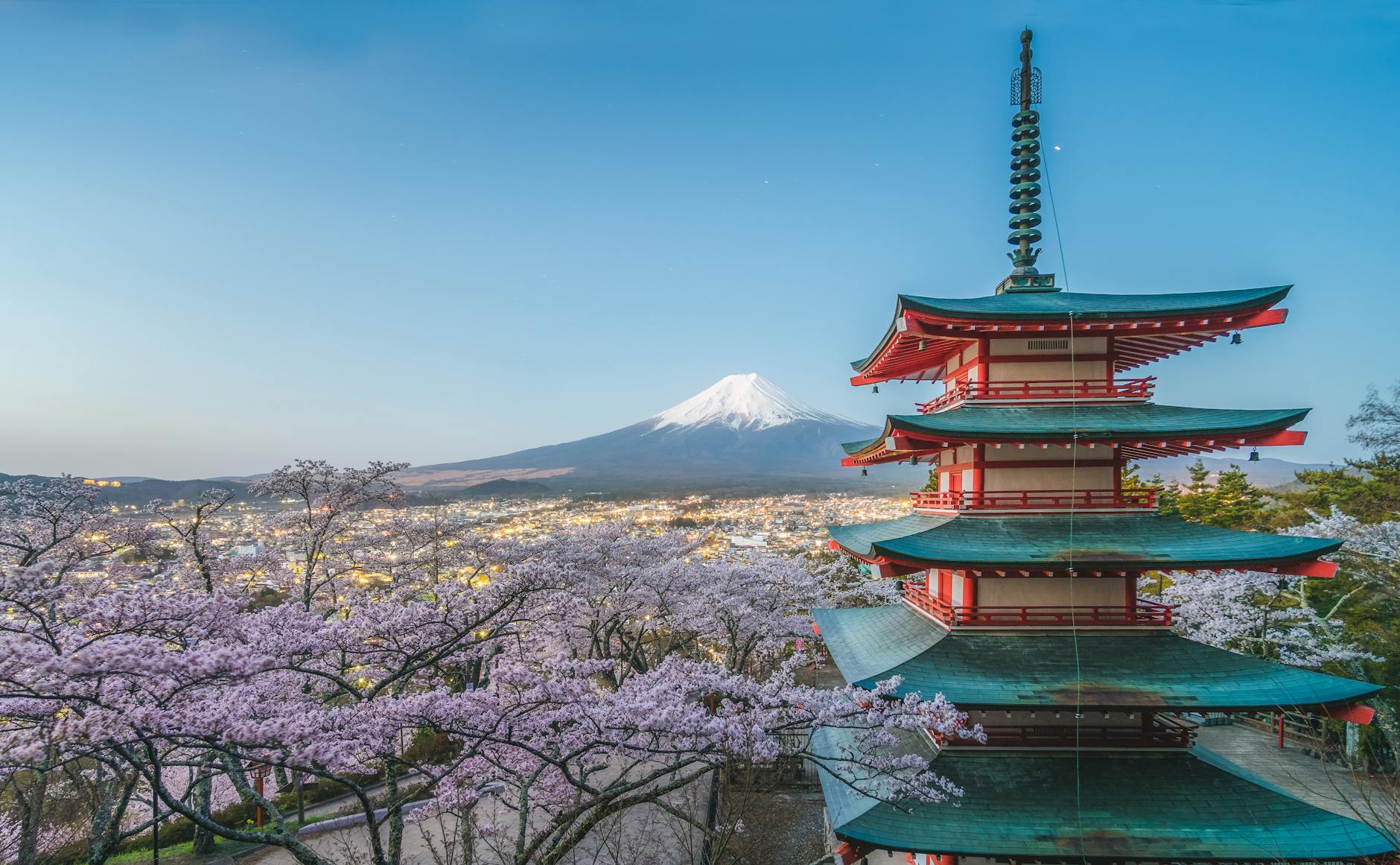
The Classic Route: Tokyo, Kyoto, Osaka
For first-time visitors, the Tokyo-Kyoto-Osaka corridor is the backbone of most Japan trips, and rightly so. These three cities between them give you the full picture of what Japan is about.
Tokyo needs a minimum of three full days, and you’ll still leave feeling like you missed something. Start in Shinjuku for the buzz, neon signs, and the famous Omoide Yokocho (Memory Lane), a narrow alley of tiny yakitori bars that feels like stepping into another era. Head to Asakusa for Senso-ji, Tokyo’s oldest Buddhist temple, which is best visited early morning before the crowds arrive. Shibuya is worth an hour for the famous scramble crossing alone, a genuinely surreal experience to witness in person. If you want a quieter, more residential side of Tokyo, Yanaka is a beautifully preserved old neighbourhood that survived the Second World War.
Kyoto is where Japan’s cultural heart beats loudest. The city has over 1,600 Buddhist temples and 400 Shinto shrines. The most visited is the Fushimi Inari Taisha, the iconic shrine with thousands of vermillion torii gates climbing the hillside. Go at dawn. Seriously. By 9am the path is packed; at 6am it feels like the place is yours. The Arashiyama bamboo grove is a similar story. The Philosopher’s Path, a canal-side walk lined with cherry trees, is worth the gentle stroll at any time of year. Gion, Kyoto’s historic geisha district, comes alive at dusk and is best experienced on foot.
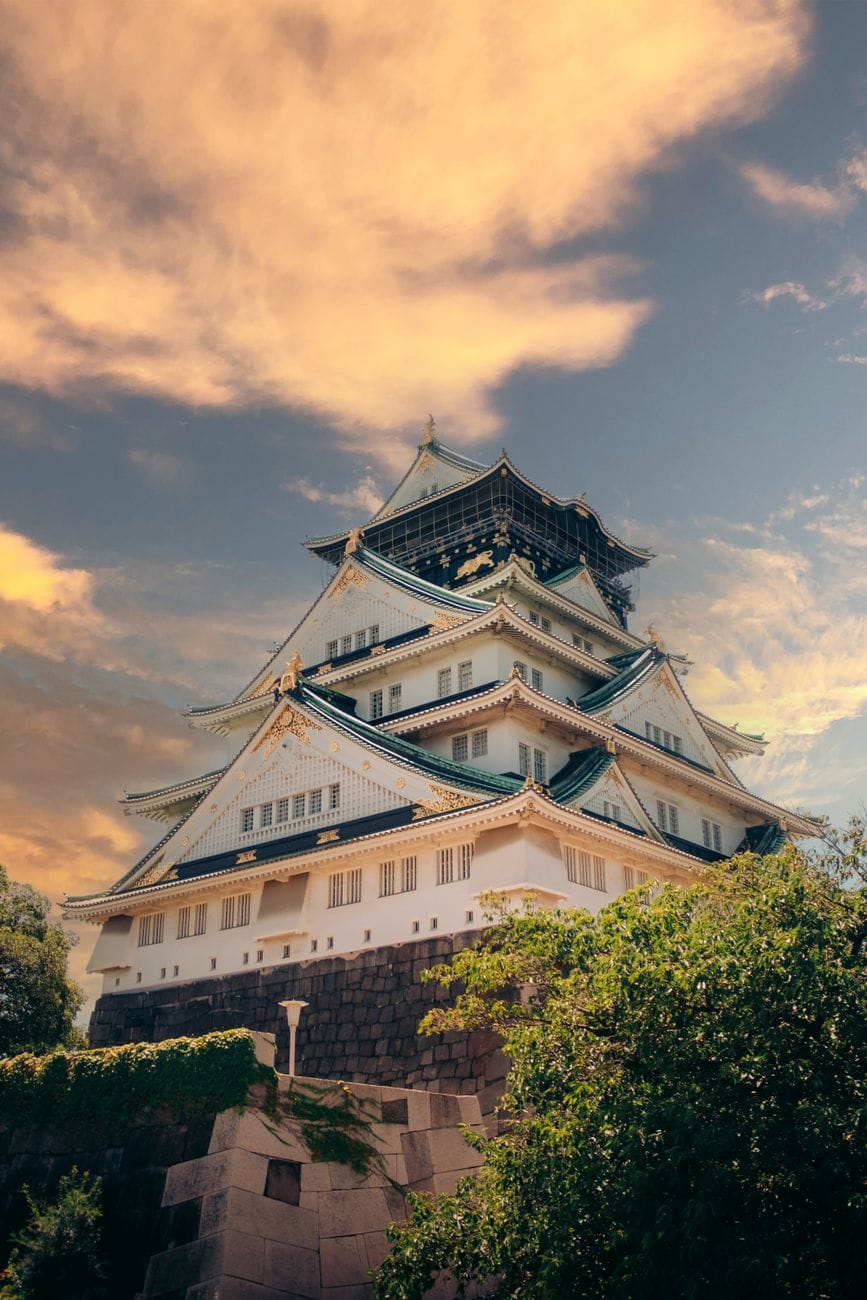
Osaka is Japan’s food capital, full stop. Street food here is legendary, particularly around the Dotonbori canal. Try takoyaki (octopus balls), okonomiyaki (Japanese savoury pancake), and kushikatsu (skewered, deep-fried everything). Osaka Castle is worth a visit, and the city’s food market, Kuromon Ichiba, is a brilliant morning stop. Osakan people also have a reputation for being louder and more direct than elsewhere in Japan, which many UK visitors find immediately charming.
The three cities are connected by the Shinkansen (bullet train), which is one of the genuine highlights of any Japan trip. Tokyo to Kyoto takes around two hours and fifteen minutes. The experience is smooth, punctual to the second, and oddly relaxing.
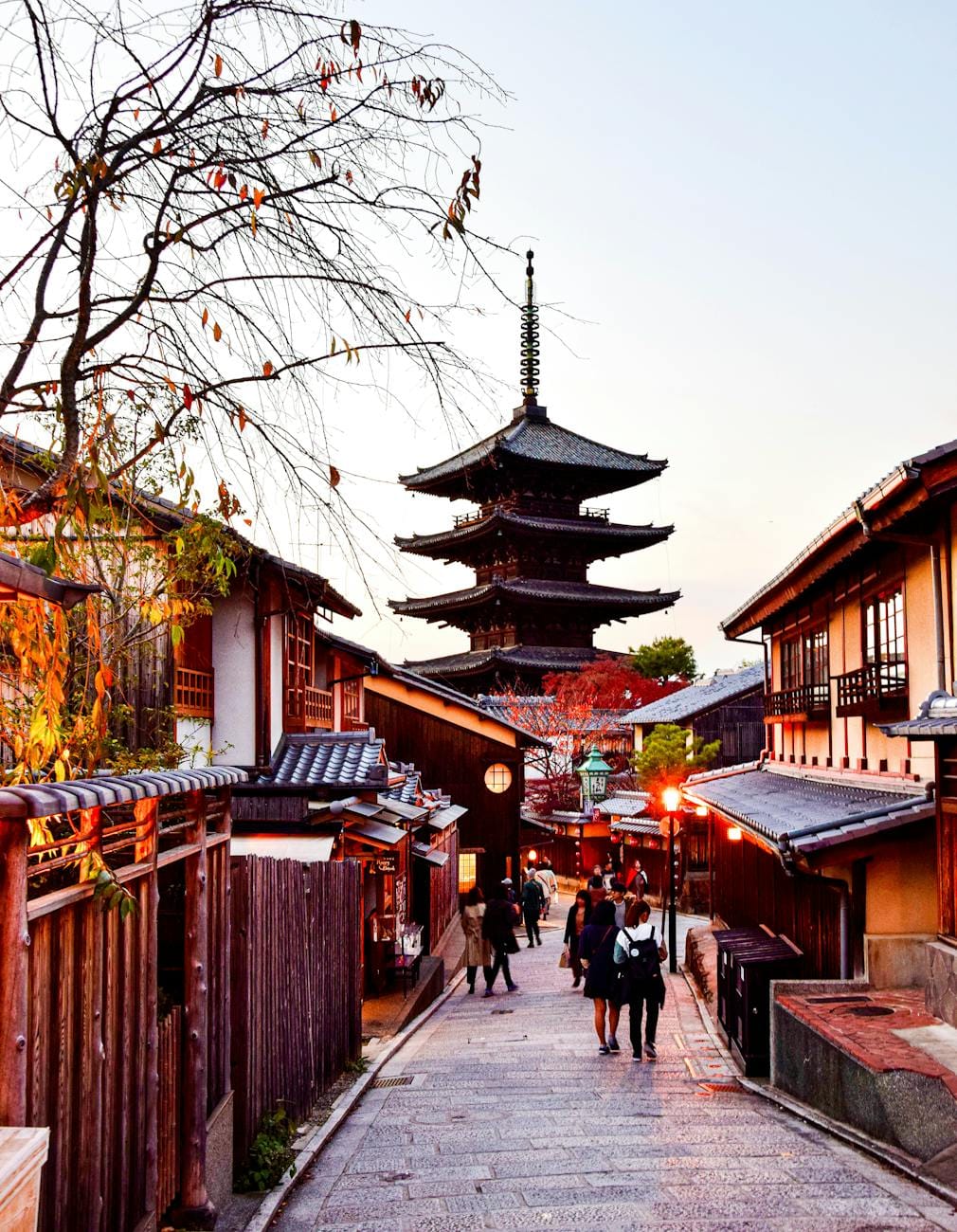
Beyond the Classic Route
If you’ve done Tokyo-Kyoto-Osaka, or if you want to stretch a trip to two weeks or more, Japan has plenty more to offer.
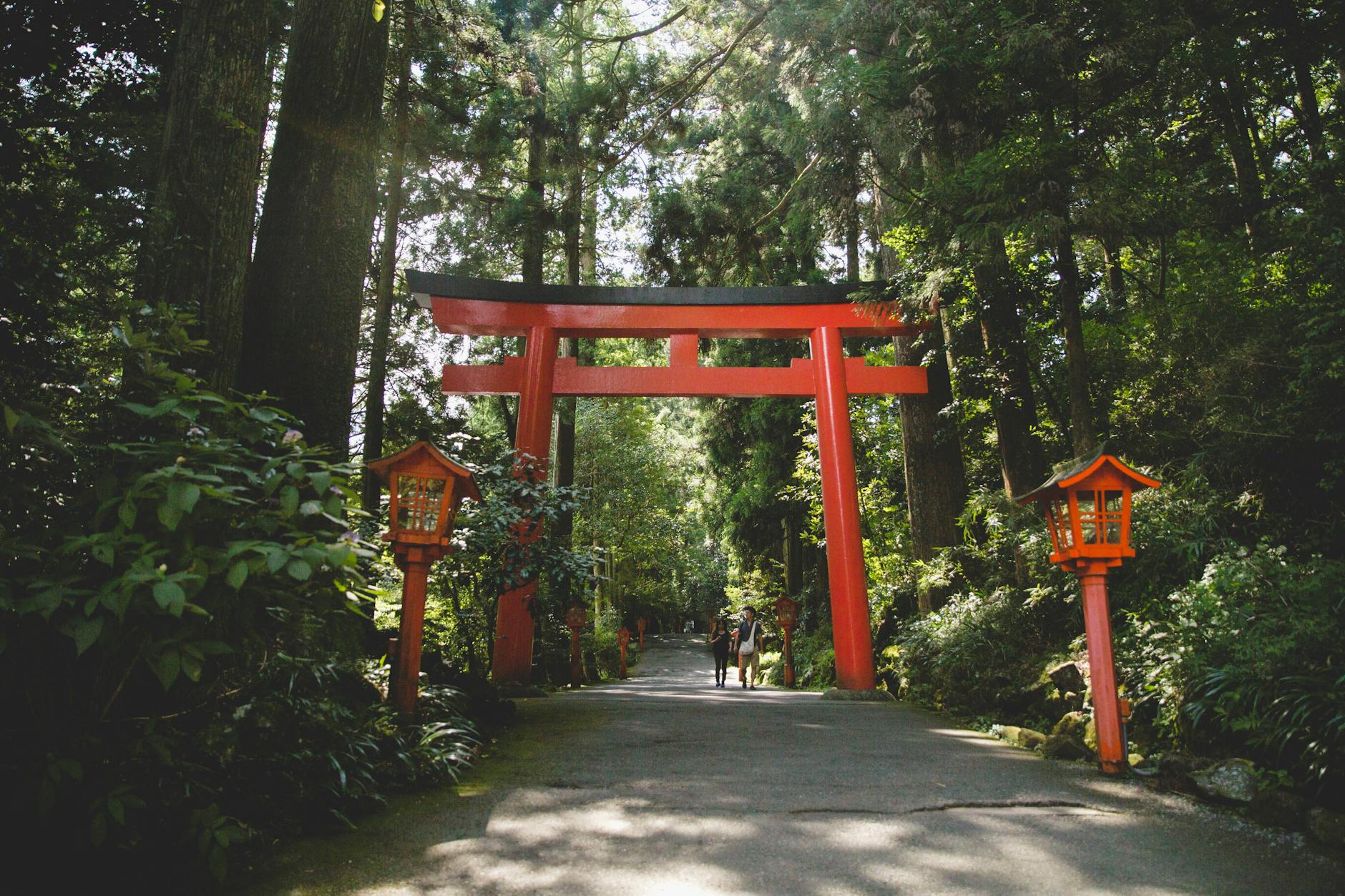
Hiroshima and Miyajima Island are a natural add-on to any itinerary. Hiroshima’s Peace Memorial Park and Museum are among the most important and moving places to visit in the world. The A-Bomb Dome, left standing as a permanent reminder of what happened in August 1945, is extraordinary. Just a short ferry ride from Hiroshima is Miyajima Island, home to the famous “floating” torii gate, which appears to rise from the sea at high tide. Wild deer wander freely around the island’s shrines.
Nara is an easy day trip from Kyoto or Osaka. The deer here are sacred and entirely unintimidated by tourists, which means they’ll walk right up to you looking for the special deer crackers sold everywhere. Todai-ji temple contains one of the largest bronze Buddha statues in the world and is genuinely impressive.
Hakone offers Mt. Fuji views, hot spring baths (onsen), and a spectacular open-air sculpture museum. If you want to see Fuji without trekking up it, Hakone on a clear day gives you one of the best views going.
Hokkaido, Japan’s northernmost island, is the destination for nature lovers. In winter it has some of the best powder skiing in Asia, and the Sapporo Snow Festival in February draws visitors from around the world. In summer, lavender fields bloom across the Furano region and the national parks are spectacular for hiking.
Kanazawa is often called “Little Kyoto” and gets a fraction of the visitors. Kenroku-en, one of Japan’s three great landscape gardens, is here, alongside a beautifully preserved samurai and geisha district. It’s a quieter, more intimate experience than the headline cities.
Getting Around
Japan’s public transport is so good it almost feels unfair. The Shinkansen network covers the country at speeds up to 320km/h. For foreign visitors, the Japan Rail Pass is a cost-effective way to travel if you’re covering a lot of ground. It gives you unlimited travel on JR-operated trains, including most Shinkansen routes, for a set number of days (7, 14, or 21 days). It must be purchased before you arrive in Japan, so plan ahead.
Within cities, the metro systems are efficient and well-signed in English. IC Cards (pre-paid travel cards, similar to an Oyster card) work on trains, buses, and even in many convenience stores. Getting one on arrival makes life considerably easier.
When to Go
Japan is worth visiting year-round, but the timing does affect the experience.
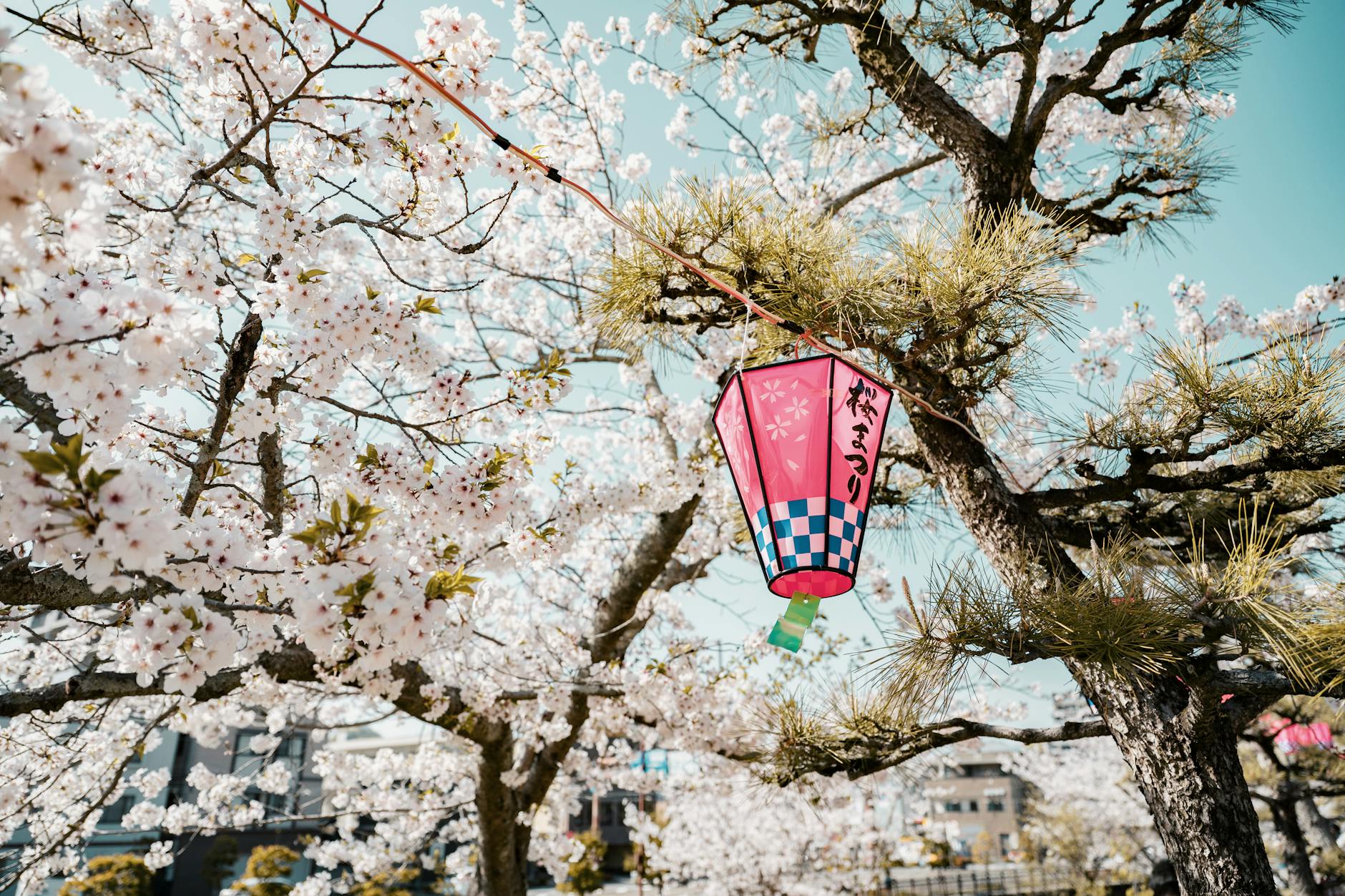
Cherry blossom season (late March to mid-April) is the most popular time and for good reason: the sakura trees turn every park, river bank, and temple ground into a pink and white painting. Hotels book out months in advance and prices rise, but if you can plan ahead, it’s genuinely special.
Autumn (October to November) is arguably the most comfortable time to visit. Temperatures are mild, the maple trees turn red and gold, and the crowds are a little lighter than spring. Kyoto in November, in particular, is one of the most beautiful places you’ll see.
Summer (July to August) is hot, humid, and busy with Japanese holiday-makers. It’s not the best time if you’re planning to walk a lot outdoors, though the summer festivals (matsuri) are wonderful if you catch one.
Winter (December to February) is cold but often clear and bright. Perfect for Hokkaido skiing, and the lack of tourists in places like Kyoto and Nara makes the temples feel completely different.
Food: Where to Start
Japanese food is one of the main reasons people come back a second and third time. The quality is extraordinary across the board, from a bowl of ramen at a roadside stall to a multi-course kaiseki dinner.
A few things worth knowing before you go:
Ramen varies significantly by region. Sapporo is famous for its miso ramen. Fukuoka does tonkotsu (pork bone broth). Tokyo’s version tends to be soy-based. Each is worth trying on its own merits.
Conveyor belt sushi (kaiten-zushi) is more than a novelty. Many are genuinely excellent and very reasonably priced. Look for a busy one, the turnover means the fish is fresh.
Convenience stores (7-Eleven, FamilyMart, Lawson) are not the sad afterthought they are in the UK. Japanese convenience store food is genuinely good. Onigiri (rice balls), sandwiches, hot snacks, and cold noodles are all worth trying and ridiculously cheap.
Set menus at lunch (teishoku) offer incredible value: a main dish, miso soup, rice, and small sides, often for under £8. Many restaurants that feel expensive at dinner serve the same quality food at lunchtime for much less.
Practical Bits
Currency: Japan is still largely cash-based outside the major tourist areas. Bring yen or withdraw from a 7-Eleven ATM (they accept most foreign cards). Don’t rely on card payments everywhere.
Language: English signage in the main cities is good, and the Japan Tourism Agency has done an excellent job on train systems and airports. Outside Tokyo, Kyoto, and Osaka, things get more challenging, though Google Translate’s camera function handles Japanese menus surprisingly well.
Etiquette: A few things to bear in mind. Remove shoes when entering someone’s home or a traditional ryokan. Don’t eat or drink while walking (except at food stalls). Tipping is not just unnecessary in Japan, it can actually cause offence. Queue, be quiet on trains, and follow signs in temples and shrines.
Wi-Fi and data: A pocket Wi-Fi device or a data SIM is essential. You’ll use Google Maps constantly and you’ll be very glad of it.
A Note on Escorted Tours vs. Independent Travel
Japan works beautifully as an independent trip for confident travellers, particularly along the main Tokyo-Kyoto-Osaka corridor. Transport is well-signed and people are incredibly helpful.
That said, for travellers who want to go deeper into the country, explore less-visited regions, or simply prefer the peace of mind that comes with having everything arranged, an escorted or guided tour is a fantastic option. A good guide unlocks things that are genuinely hard to access independently: private temple visits, local home dining experiences, off-the-beaten-track neighbourhoods, and cultural context that transforms a sightseeing trip into something much richer.
Ready to Plan Your Japan Trip?
Japan rewards proper planning, and the difference between a good trip and a brilliant one often comes down to the finer details: which ryokan to stay in, which route makes sense for your interests, whether to add Hiroshima or go north to Hokkaido.
Our travel experts know Japan well and love talking through the options. Whether you’re thinking about two weeks, three weeks, a tailor-made itinerary, or a small group tour, we’ll help you put something together that fits exactly what you’re after.
Get in touch with your local branch, or call us on 0333 323 4411. We’d love to help you plan it.
Rather speak to someone in person?