


The Race Across the World’s Most Dramatic Leg
Türkiye stopped being an underrated destination some time ago. The word is well and truly out, and watching Race Across the World Series 6 reminded a lot of viewers exactly why.
The teams spent more time in Türkiye than anywhere else on the route, and it’s not hard to see why the producers gave it so much screen time. Istanbul alone could fill a series. Then there’s Cappadocia, the Aegean coast, the Mediterranean coast, the southeast with its ancient ruins and Ottoman architecture. The country is vast, varied and genuinely surprising, even if you think you know what to expect.
Here’s a closer look at the Turkish highlights from this year’s race.
Istanbul
The teams arrived into Istanbul from Greece, some via ferry from Chios and Lesbos, others overland through Thessaloniki, and the city clearly made an impression. It tends to do that.
Istanbul is one of the few cities in the world that genuinely earns every superlative thrown at it. Sitting across two continents, with 2,500 years of history layered on top of each other, it’s the kind of place where you can spend a week and still feel like a beginner.
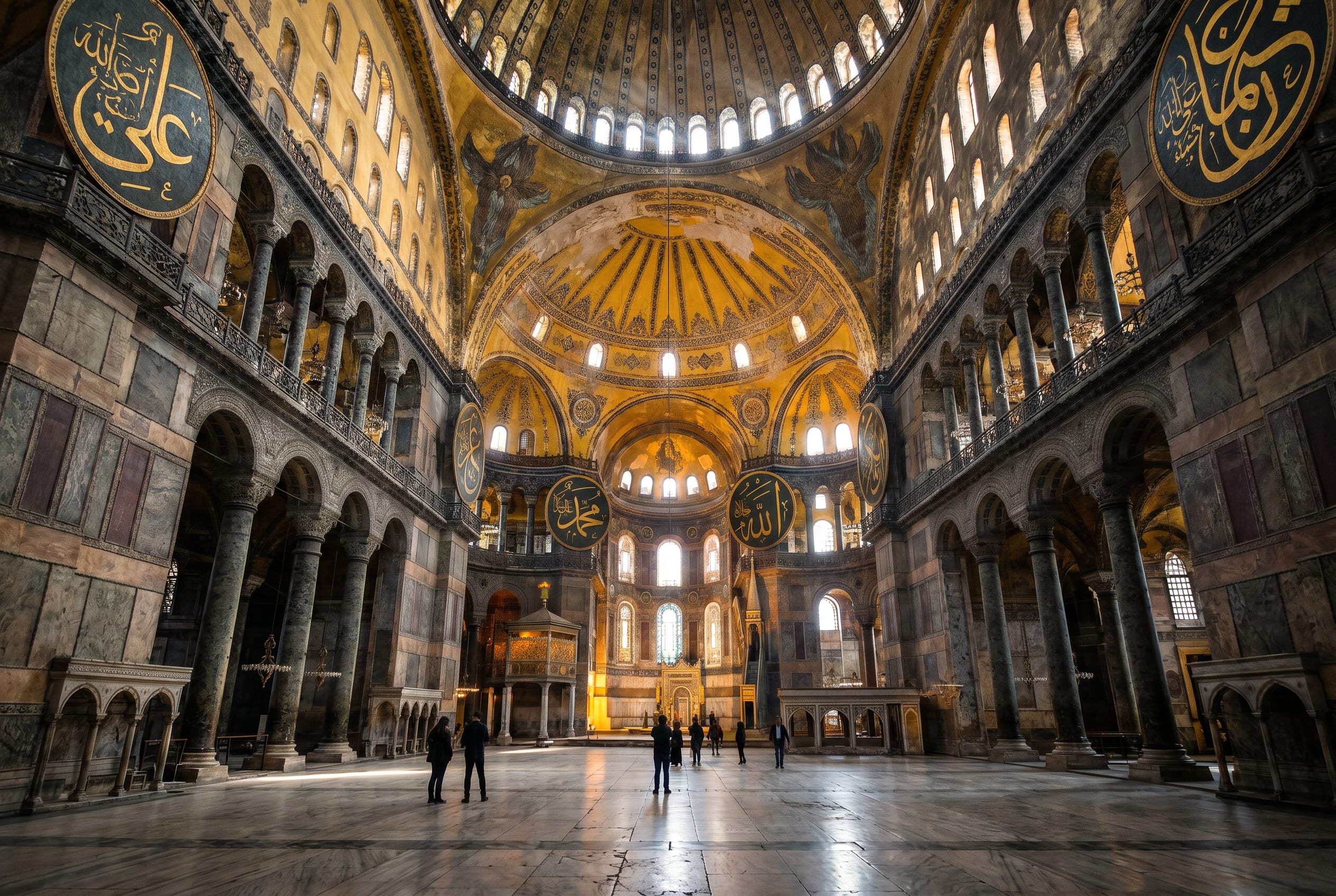
The obvious starting points are obvious for good reason. The Hagia Sophia, originally built as a Byzantine cathedral in 537 AD, is still one of the most remarkable buildings on the planet. The Blue Mosque next door, the Topkapi Palace, the Grand Bazaar – these are all worth your time and are genuinely impressive rather than just famous. The Basilica Cistern, an underground Roman reservoir discovered by a French traveller in 1545, is one of those places that stops you in your tracks.
But Istanbul rewards wandering. The Karaköy neighbourhood on the northern side of the Golden Horn has a strong food and coffee scene. Beyoğlu and the streets around Istiklal Avenue get lively at night. Cross to the Asian side on the ferry (a short hop and genuinely lovely) and you get a completely different version of the city – quieter, more residential, excellent for breakfast.
Turkish food, in general, deserves more credit than it gets. Beyond the kebabs, there’s a whole tradition of slow-cooked mezes, fish dishes, and pastries that most visitors don’t get near. Istanbul’s restaurant scene, from cheap and cheerful lokanta canteens to proper fine dining, is one of the best in Europe – which, depending on where you’re standing, it technically is.
Cappadocia
Katie and Harrison, comfortably in the lead after Leg 2, made the decision to detour to Cappadocia, and it’s one of the most sensible decisions anyone made in the entire series. When you’re ahead, you might as well see something extraordinary.
Cappadocia is the sort of place that looks like a film set but is entirely real. The landscape, soft volcanic rock carved by erosion into hundreds of towers, cones and formations called “fairy chimneys”, has been inhabited for thousands of years. Early Christians carved churches directly into the rock faces. Underground cities, some descending eight levels below the surface, sheltered communities from invasion. The Göreme Open Air Museum, where you can walk between rock-cut churches decorated with Byzantine frescoes, is one of the most unusual heritage sites in the world.
And then, of course, there are the hot air balloons. Every morning at sunrise, hundreds of balloons lift off over the valleys of Cappadocia and it’s as good as it looks. It’s become a bucket-list moment for a lot of travellers, and honestly, it earns it.
The nearest airport to Cappadocia is Kayseri, which has direct flights from several UK airports during the main season. The main base for visitors is Göreme, a small town in the Nevşehir province where many of the cave hotels are found. Yes, cave hotels – and some of them are genuinely lovely places to stay.
The Turkish Coast
Several teams took the Mediterranean and Aegean coast route through southern Türkiye, including through Antalya and along the coast towards the southeast. It’s a part of the country that British holidaymakers have been visiting for decades, and with good reason.
Antalya is the main gateway to the Turkish Riviera and has its own old town, the Kaleiçi, which is considerably more interesting than your average resort-town centre. Roman walls, an Ottoman harbour, narrow streets with wooden houses – it’s the part most package tourists don’t make it to, which is a shame.
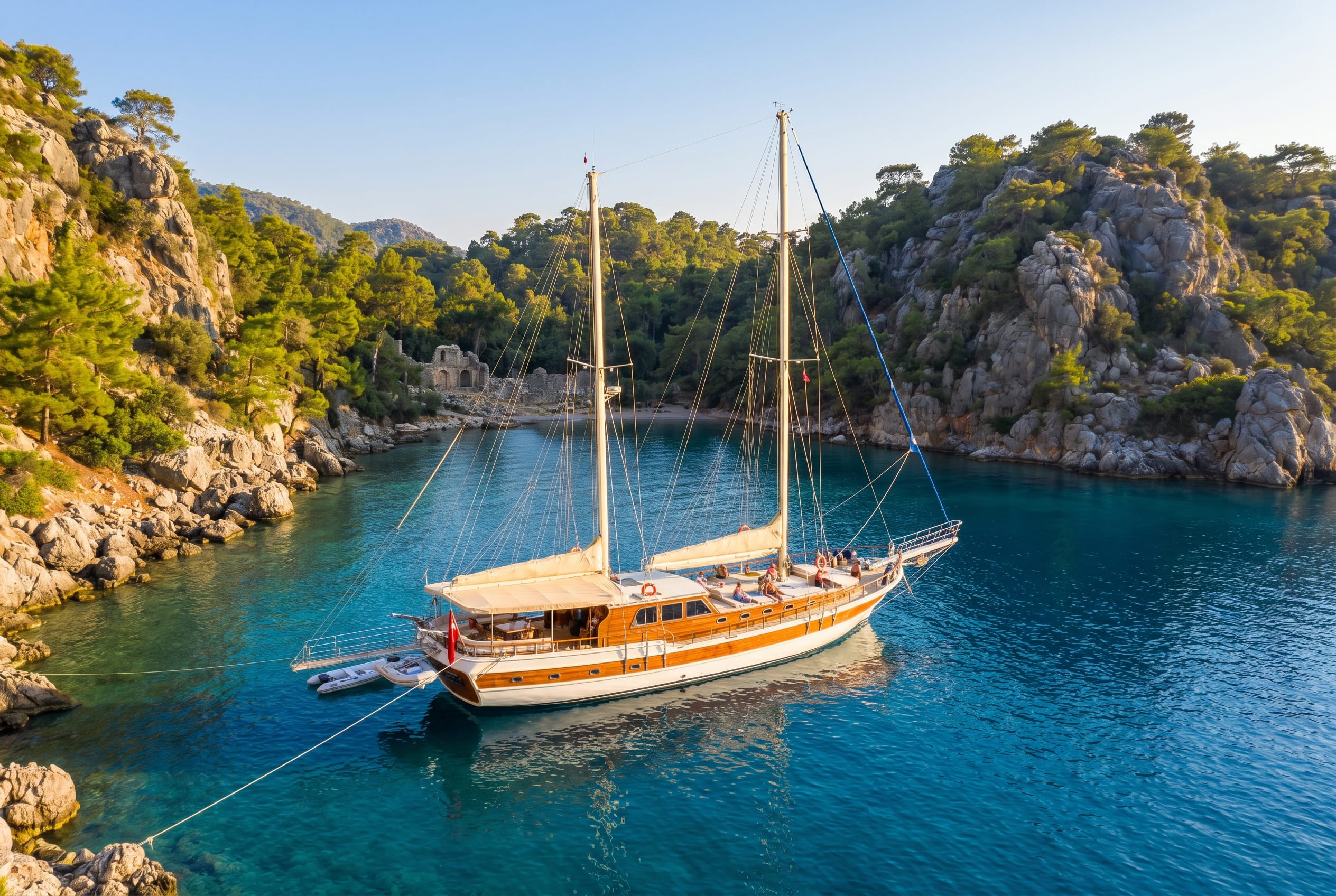
West of Antalya towards Fethiye and Ölüdeniz, the coast gets spectacular. The Blue Lagoon at Ölüdeniz is one of the most photographed spots in Türkiye. Further along, the Turquoise Coast, named for reasons that become obvious the moment you see the water, is best explored by a traditional gulet boat, the wooden vessels that have been sailing these waters for generations. A week-long gulet cruise along this coastline, stopping at bays and ancient ruins, is one of those holidays that tends to convert people to Türkiye permanently.
Puja and Roshni’s planned detour to a turtle sanctuary in the Ortaca area would have taken them to the mouth of the Dalyan river delta – another spectacular spot, known for its Lycian rock tombs carved into the cliffs above the river, its thermal springs, and the loggerhead sea turtle nesting beaches at Iztuzu. It’s the kind of place that doesn’t feature heavily in the mainstream brochures but absolutely should.
Halfeti and Southeast Turkey
The Race Across the World checkpoint for Leg 3 was the viewing platform overlooking Rumkale castle near Halfeti, a town in the Şanlıurfa province of southeastern Türkiye that most British travellers have never heard of.
Halfeti sits on the banks of the Euphrates and is known for something quite specific: black roses. The unique mineral content of the local soil and water produces roses that grow almost entirely black in spring and summer – one of only two places in the world where this happens. The town itself was partially submerged when the Birecik Dam was built in the 1990s, and parts of the old settlement are still visible beneath the water.
The wider southeast of Türkiye is one of the country’s most historically rich but least-visited regions. Şanlıurfa (often just called Urfa) is a pilgrimage city with a history stretching back to Abraham. Gaziantep, which several teams passed through on their way east, is widely regarded as the food capital of Türkiye – its baklava and künefe in particular have a fierce local pride attached to them. The city’s mosaic museum, housing Roman mosaics from nearby Zeugma, is one of the best of its kind anywhere in the world.
Planning a Turkish Holiday
The beauty of Türkiye as a holiday destination is how much variety it can hold in a single trip. You could combine a few nights in Istanbul, a couple of days in Cappadocia, and a week on the coast, and come home feeling like you’ve had three different holidays.
Direct flights from UK airports to Istanbul, Antalya, Bodrum, Dalaman and Kayseri run throughout the year, with good availability from spring through autumn. The country offers exceptional value compared to many Western European destinations, and the range of accommodation, from boutique cave hotels to all-inclusive resorts to private gulet charters, means it suits most budgets and travel styles.
If Race Across the World has given you a serious case of Türkiye envy, the Spear Travels team can help you put together the right trip – whether that’s a week on the Turquoise Coast, a city break in Istanbul, or something that combines several of the destinations above.
Rather speak to someone in person?