

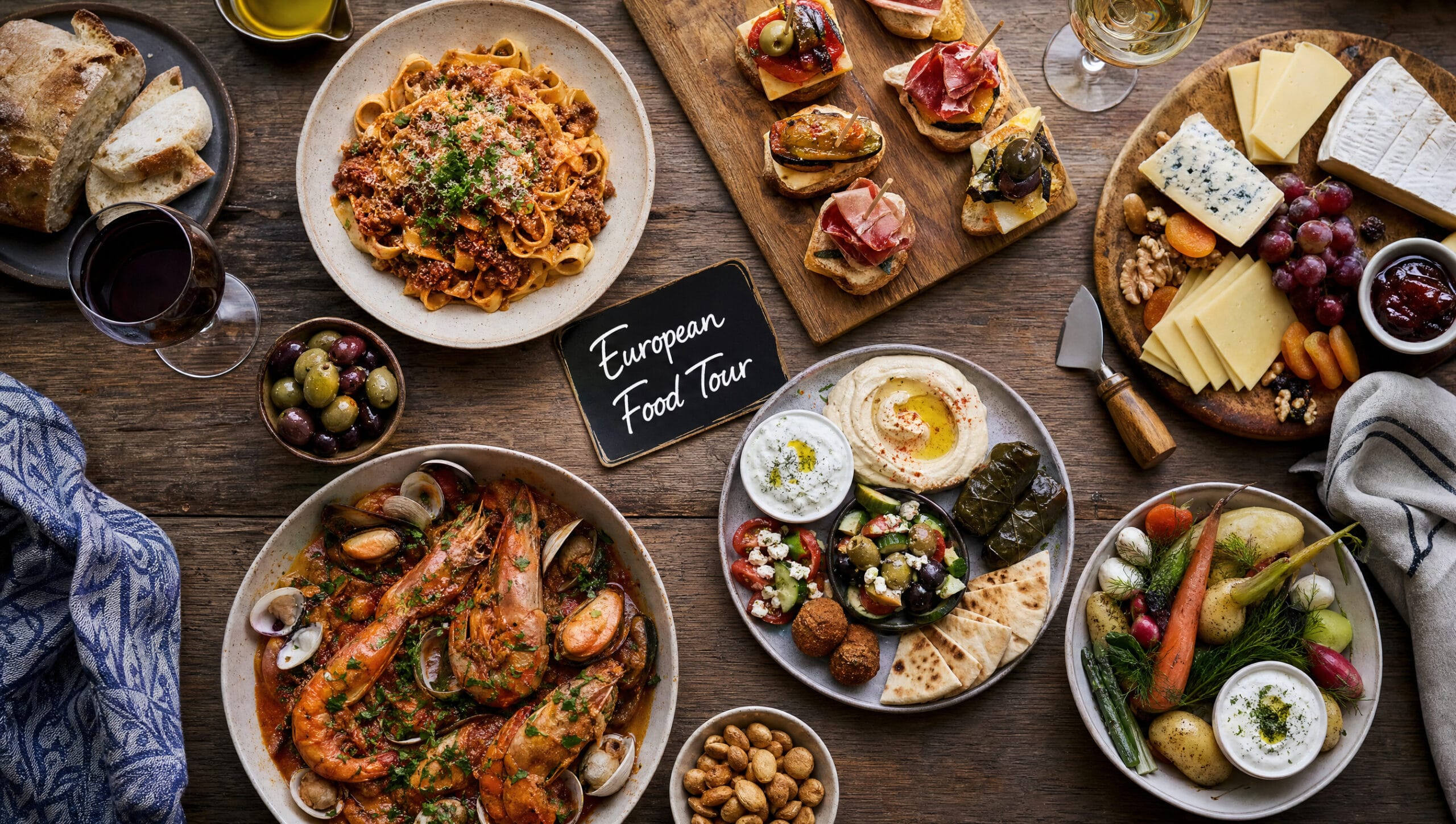
A Food Lover’s Itinerary
Europe has always drawn travellers for its architecture, history, and art. But increasingly, people are planning entire trips around what’s on the plate. The reason is simple: Europe’s food cities offer something you can’t find anywhere else, centuries-old culinary traditions meeting contemporary innovation, all within easy travelling distance.
The beauty of a European food tour is the variety. You can experience six completely different food cultures in two weeks, moving between cities by train or short flights, each stop revealing new flavours, techniques, and traditions. This isn’t about Michelin stars, though you’ll find those too. It’s about understanding places through their food, from family-run trattorias that haven’t changed their recipes in generations to avant-garde restaurants pushing culinary boundaries.
Here’s how to plan a European food journey that delivers unforgettable meals and genuine cultural insight.
Bologna: Italy’s Culinary Capital
Bologna deserves first place on any European food itinerary. While tourists flood Rome, Florence, and Venice, food lovers know the real treasure is this wealthy university city that takes its cuisine very seriously indeed.
This is the birthplace of ragù Bolognese, tortellini, mortadella, and Parmigiano-Reggiano. But the dishes you’ll eat here bear little resemblance to what passes for “Bolognese” elsewhere. Proper ragù simmers for hours, develops deep complexity, and serves as a pasta sauce rather than the sloppy meat pile many countries mistake for Italian cooking.
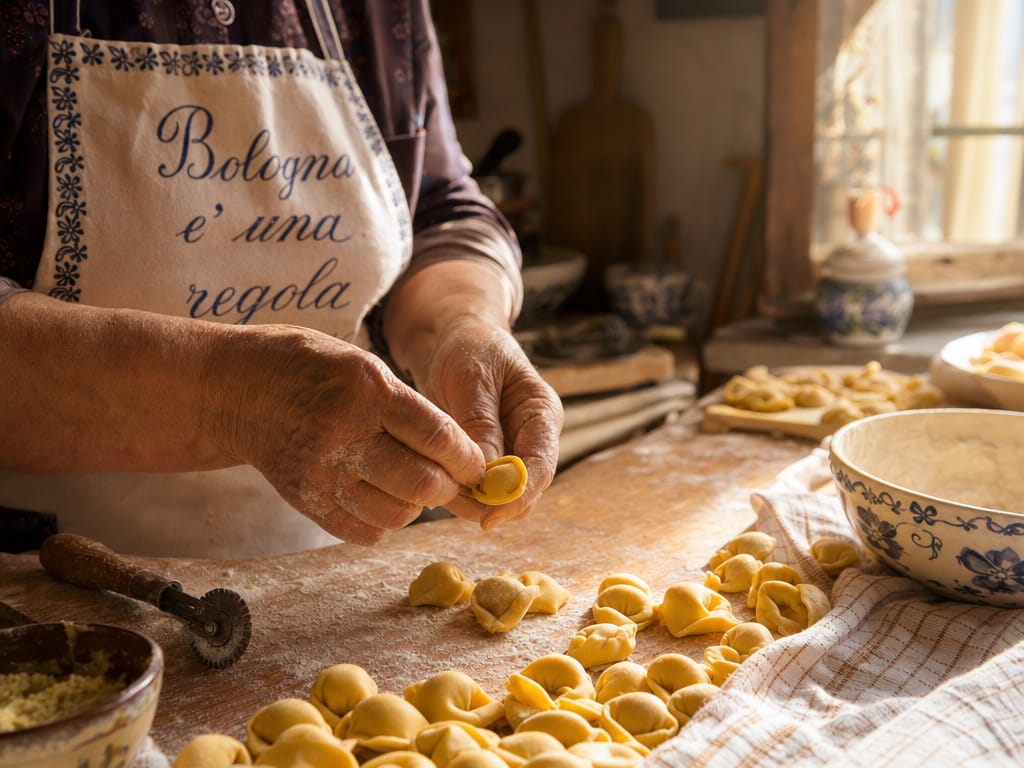
The tortellini, those tiny pasta parcels supposedly shaped after Venus’s navel, are still made by hand in countless small shops and home kitchens. Watching someone fold them at impossible speed is genuinely mesmerizing.
Bologna’s markets overwhelm the senses. Mercato di Mezzo and the surrounding streets overflow with produce so perfect it looks staged: glossy aubergines, tomatoes that smell like tomatoes should, fresh pasta in every shape, cured meats hanging in careful rows, wheels of Parmigiano stacked like treasure.
The food tours here are genuinely educational rather than glorified bar crawls. You’ll learn why certain pasta shapes pair with specific sauces, how traditional balsamic vinegar differs from the supermarket stuff, why local producers guard their methods fiercely. You’ll taste mortadella that makes you understand why Bologna’s finest export became worldwide, even if most versions are pale imitations.
The restaurant scene balances traditional osterie serving classic dishes against innovative chefs reimagining Bolognese cuisine while respecting its roots. Both approaches deliver exceptional meals at prices that make you question London restaurant bills.
Day trips from Bologna reveal more treasures. Modena, Parma, and Ferrara are all within easy reach, each with distinctive specialities and food traditions worth exploring.
Porto: Wine, Port, and Atlantic Seafood
Porto combines spectacular setting with a food scene that’s earning serious international recognition. The city rising in tiers above the Douro River creates drama, while the food provides substance.
Port wine obviously dominates Porto’s identity. The wine lodges of Vila Nova de Gaia, across the river, offer tours that range from basic tastings to in-depth explorations of vintage ports that cost more than your flight. Even if you’re not particularly interested in wine, understanding port’s history and production adds depth to experiencing Porto.
But Porto’s food extends far beyond port. The francesinha, that gloriously excessive sandwich layered with meat, covered in melted cheese, and swimming in beer sauce, sums up Porto’s approach to pleasure: generous, unapologetic, delicious.
The seafood is exceptional. The Atlantic provides daily catches that end up grilled simply with olive oil and lemon in restaurants along the waterfront. Fresh sardines, octopus salad, bacalhau prepared dozens of ways, percebes (those barnacles that look alien but taste incredible), all benefit from being this close to the source.
The city’s traditional markets, particularly Mercado do Bolhão, combine stunning 19th-century architecture with the reality of where Porto residents actually shop. The vendors’ stalls overflow with produce, fish, flowers, and regional products you won’t find elsewhere.
Porto’s contemporary food scene is evolving rapidly. Young chefs are opening restaurants that honour Portuguese traditions while incorporating modern techniques and international influences. The results are exciting without feeling forced or inauthentic.
The Douro Valley, a short journey upriver, provides context for all that port. The terraced vineyards cascading down impossibly steep hillsides create one of Europe’s most dramatic wine landscapes. Combining city food exploration with countryside wine touring makes perfect sense here.
San Sebastián: Pintxos Capital of the World
San Sebastián might offer the highest concentration of exceptional eating anywhere in Europe. This Basque coastal city, with just 186,000 residents, boasts more Michelin stars per capita than anywhere else on Earth. But the real magic happens in the pintxos bars.
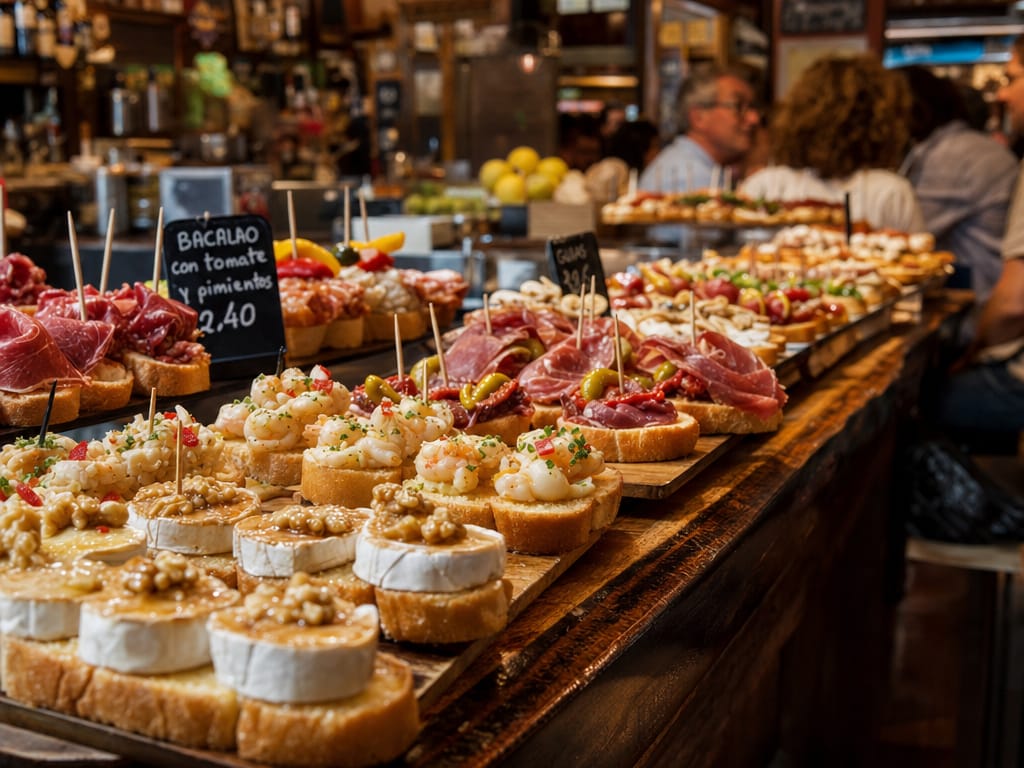
Pintxos, the Basque version of tapas, elevate bar food to art. Each bar specialises in certain pintxos, creating fierce but friendly competition. The ritual is simple: move from bar to bar, trying each establishment’s specialities, marking your consumption with toothpicks that the bartender counts when settling up.
The variety is staggering. Traditional pintxos like gilda (anchovy, olive, and pepper on a skewer) sit alongside contemporary creations that demonstrate serious culinary skill compressed onto small pieces of bread. Foie gras, spider crab, sea urchin, Idiazabal cheese, txangurro, the list continues endlessly.
The social aspect matters as much as the food. San Sebastián’s old town fills with locals making their pintxos rounds, meeting friends, debating which bar makes the best croquetas. Joining this ritual, even as an outsider, provides insight into Basque food culture that restaurants cannot match.
For those seeking Michelin experiences, San Sebastián delivers. Arzak, Akelarre, and Mugaritz rank among the world’s finest restaurants, each interpreting Basque cuisine through distinct creative lenses. These aren’t cheap meals, but they’re considerably more affordable than equivalent experiences in London or Paris.
The beach location means exceptional seafood. Grilled fish, txipirones (small squid), marmitako (Basque tuna stew), all benefit from the Bay of Biscay’s cold, clean waters.
La Bretxa market, inside a modernist building, showcases Basque produce and provides insight into local ingredient obsessions. The vendors take genuine pride in their products, and their enthusiasm is infectious.
Lyon: French Gastronomy’s Heart
Paris gets the attention, but Lyon owns the title of France’s gastronomic capital. This has been true for centuries and remains accurate today. Lyon’s food culture runs deep, sustained by exceptional local produce, proud culinary traditions, and residents who care intensely about eating well.
The bouchons, traditional Lyonnais bistros, serve hearty, meat-focused cuisine that feels both rustic and refined. Quenelles, tablier de sapeur, saucisson chaud, cervelle de canut, these dishes won’t win beauty contests, but they demonstrate why French provincial cooking earned its reputation.
These aren’t tourist traps. Locals fill the bouchons, particularly at lunch when workers pack in for substantial meals and good wine at reasonable prices. The atmosphere is convivial, the service is efficient rather than fussy, and the food delivers satisfaction that fancy restaurants often miss.
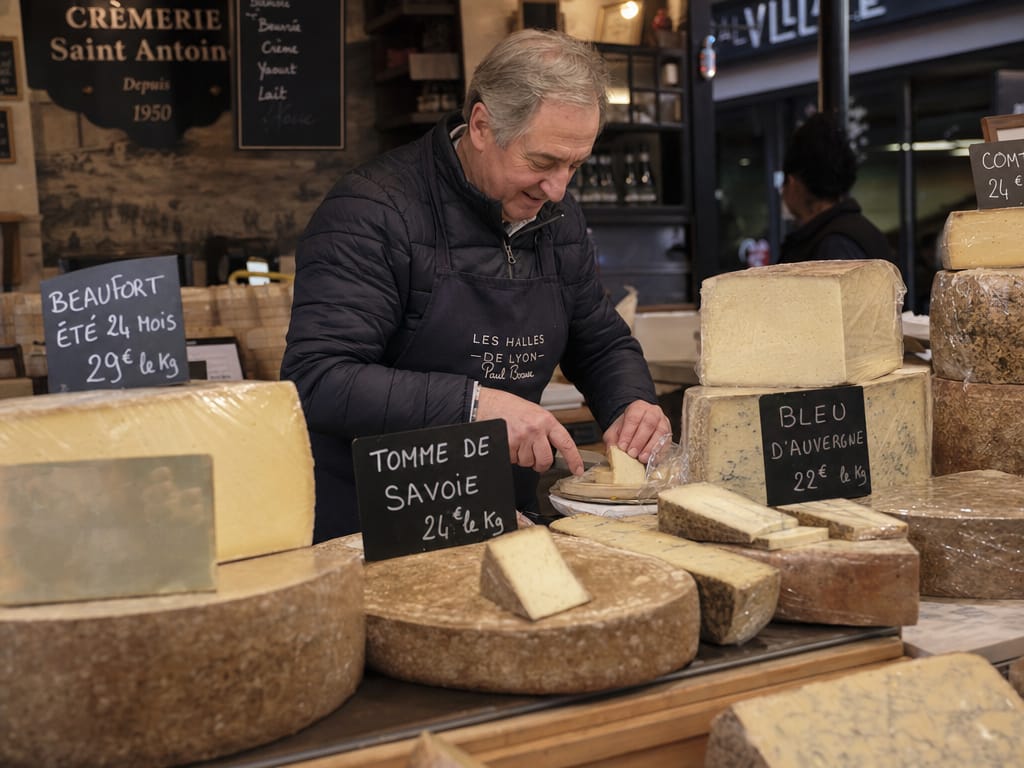
Les Halles de Lyon Paul Bocuse, the city’s premier food market, deserves at least a morning of your time. Named after Lyon’s most famous chef, the market gathers exceptional producers, cheesemongers, butchers, bakers, and prepared food vendors under one beautiful roof. You could eat your way through France without leaving the building.
Lyon’s contemporary dining scene pushes boundaries while respecting traditions. Young chefs trained in top kitchens are opening restaurants that reinterpret Lyonnais classics, often with stunning results.
The city’s location, where the Rhône and Saône rivers meet, places it at a culinary crossroads. Produce flows in from surrounding regions, wine comes from Beaujolais and the Rhône Valley, and traditions blend to create something distinctively Lyonnais.
Copenhagen: New Nordic Revolution
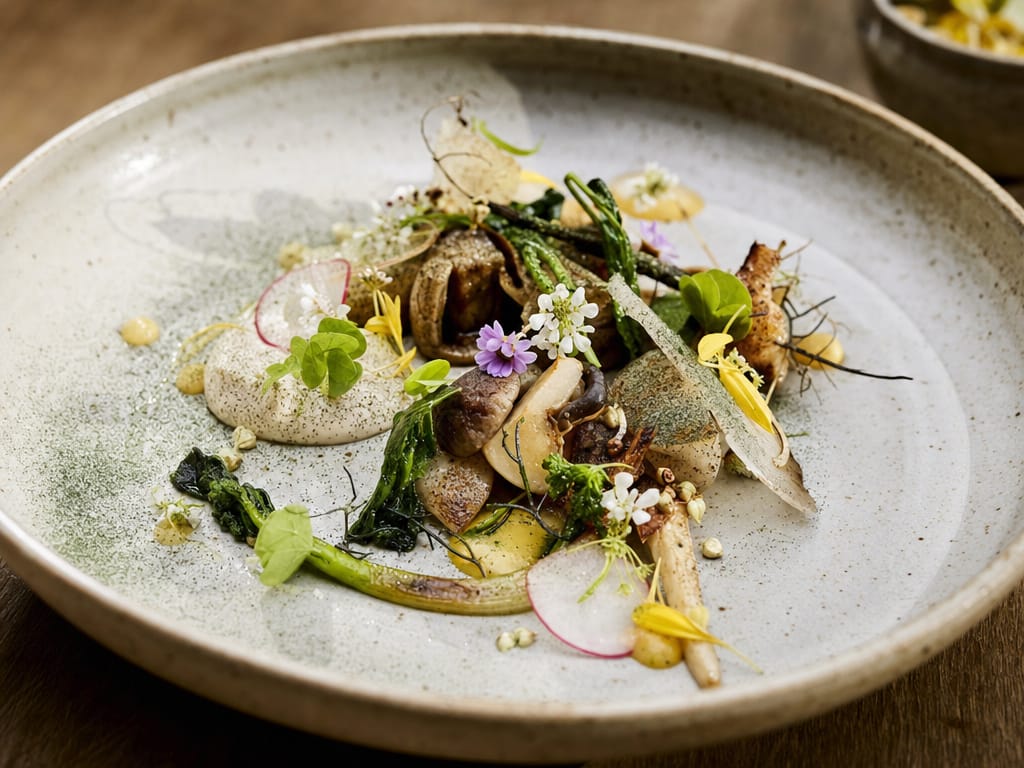
Copenhagen transformed itself from a pleasant but unremarkable food city into one of Europe’s most exciting dining destinations. The New Nordic movement, which Noma spearheaded, fundamentally changed how the world thinks about Scandinavian food.
While Noma closed and reopened in new forms, Copenhagen’s food scene has evolved far beyond one restaurant. Dozens of establishments now practice the New Nordic philosophy: hyper-seasonal, hyper-local, focused on preservation techniques, deeply connected to landscape and tradition.
The results can be stunning. Vegetables you’ve ignored your entire life become revelations when prepared by chefs who understand them intimately. Fermentation creates complex flavours. Local fish, game, and foraged ingredients compose menus that change constantly with seasons and availability.
Copenhagen’s food halls and markets, particularly Torvehallerne, make excellent eating accessible. You’ll find exceptional smørrebrød (open sandwiches), fresh seafood, artisan cheeses, and prepared foods that demonstrate Danish quality without restaurant prices.
The coffee culture deserves mention. Copenhagen takes coffee as seriously as any city on Earth, and the best cafes serve Nordic-roasted beans that will ruin you for lesser coffee forever.
Athens: Modern Greek Renaissance
Athens is experiencing a food renaissance that’s redefining Greek cuisine for contemporary tastes while respecting ancient traditions. The city’s tavernas and restaurants are moving beyond the staid “Greek salad and moussaka” formula to showcase the incredible diversity of Greek regional cooking.
The central markets, Varvakios Agora for meat and fish, offer raw sensory overload. These aren’t sanitized tourist attractions; they’re working markets where Athenians shop, prices are shouted, and the connection between land, sea, and table remains visible and visceral.
Modern Greek restaurants are incorporating techniques and presentations from fine dining while keeping Greek ingredients and flavours central. The results respect tradition without being bound by it.
Planning Your Food Tour
The beauty of European food touring is flexibility. You can focus on one region, like making a circuit of Italy’s great food cities, or contrast different food cultures by combining, say, Copenhagen and Athens.
Train travel works brilliantly for food tours. The journey between cities becomes part of the experience rather than dead time, and you’ll work up proper appetite between meals.
We can arrange market tours with expert guides and create itineraries that balance famous establishments with hidden gems only locals know.
Some travellers want every meal to be an event. Others prefer mixing memorable dinners with simpler lunches. We’ll match the pace to your preferences while ensuring you don’t miss anything essential.
Europe’s food cities offer more than just excellent meals. They provide windows into cultures, histories, and ways of life that express themselves most honestly through food. Every meal tells stories, every market reveals values, every chef represents traditions.
Visit your nearest Spear Travels branch and let’s start planning your European food adventure. We’ll create an itinerary that satisfies your appetite and your curiosity in equal measure.
Make this the year you eat your way through Europe’s greatest culinary treasures.
Rather speak to someone in person?