


Cities Beyond the Tourist Trail
We’ve all been there. You’re standing in Venice’s St. Mark’s Square or Barcelona’s Park Güell, and you can barely move for the crowds. The photo you wanted is impossible because there are 50 other people trying to take the same shot. The charming local restaurant you read about has a queue around the block and prices to match its newfound fame.
Overtourism has changed how we experience some of Europe’s most beautiful cities, and travellers are responding by looking elsewhere. The numbers tell the story: searches for secondary cities are growing 15% faster than traditional tourism hubs. People are seeking authentic experiences, genuine local culture, and places where they can actually breathe.
The good news? Europe is full of extraordinary cities that offer everything the famous ones do, minus the overwhelming crowds. These aren’t second-rate alternatives; they’re destinations that shine on their own merits, offering rich history, stunning architecture, incredible food, and experiences you’ll have more to yourselves.
Porto: Portugal’s Soulful Second City
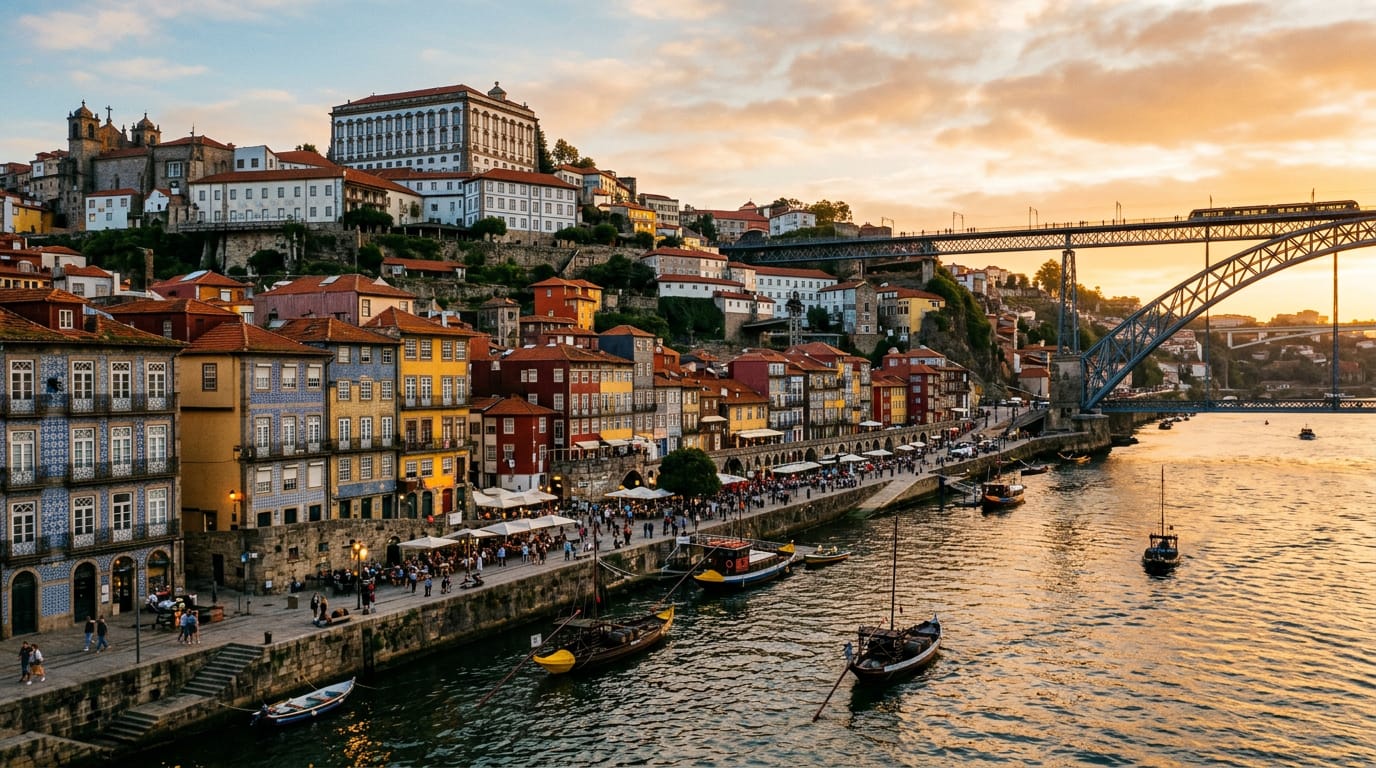
While everyone flocks to Lisbon, Porto quietly gets on with being one of Europe’s most characterful cities. Perched on hills above the Douro River, this is a place where authentic Portuguese life continues largely undisturbed by tourism trends.
The Ribeira district, a UNESCO World Heritage site, is a maze of narrow medieval streets tumbling down to the waterfront. Azulejo-tiled buildings in blues, yellows, and whites create a photographer’s paradise. Unlike Lisbon’s Alfama, you can still wander here without fighting through tour groups.
Porto is, of course, the home of port wine. The wine lodges of Vila Nova de Gaia, across the river, offer tours and tastings that are informative, generous, and significantly less touristy than their equivalents in more famous wine regions. You’ll learn the history of this fortified wine while sampling vintages that rarely make it to UK shops.
The food scene is exceptional. This is where the francesinha was born, a gloriously excessive sandwich that sums up Porto’s unpretentious approach to pleasure. Fresh seafood comes straight from the Atlantic, bacalhau (salt cod) is prepared dozens of ways, and the local pastries rival anything you’ll find in Lisbon.
Livraria Lello, one of the world’s most beautiful bookshops, does attract queues, but arrive early and you’ll have time to appreciate its Art Nouveau splendour. The city’s contemporary art scene, centred on the Serralves Museum, offers world-class exhibitions in a stunning modernist building surrounded by formal gardens.
Porto also serves as an excellent base for exploring the Douro Valley, where terraced vineyards cascade down steep hillsides to the river below. A river cruise through this landscape, wine glass in hand, ranks among Europe’s great travel experiences.
Split: Croatia’s Coastal Gem
Dubrovnik’s fame has become its curse, with cruise ship crowds overwhelming the old town. Meanwhile, Split offers everything that makes the Croatian coast special, with far more breathing room and significantly better value.
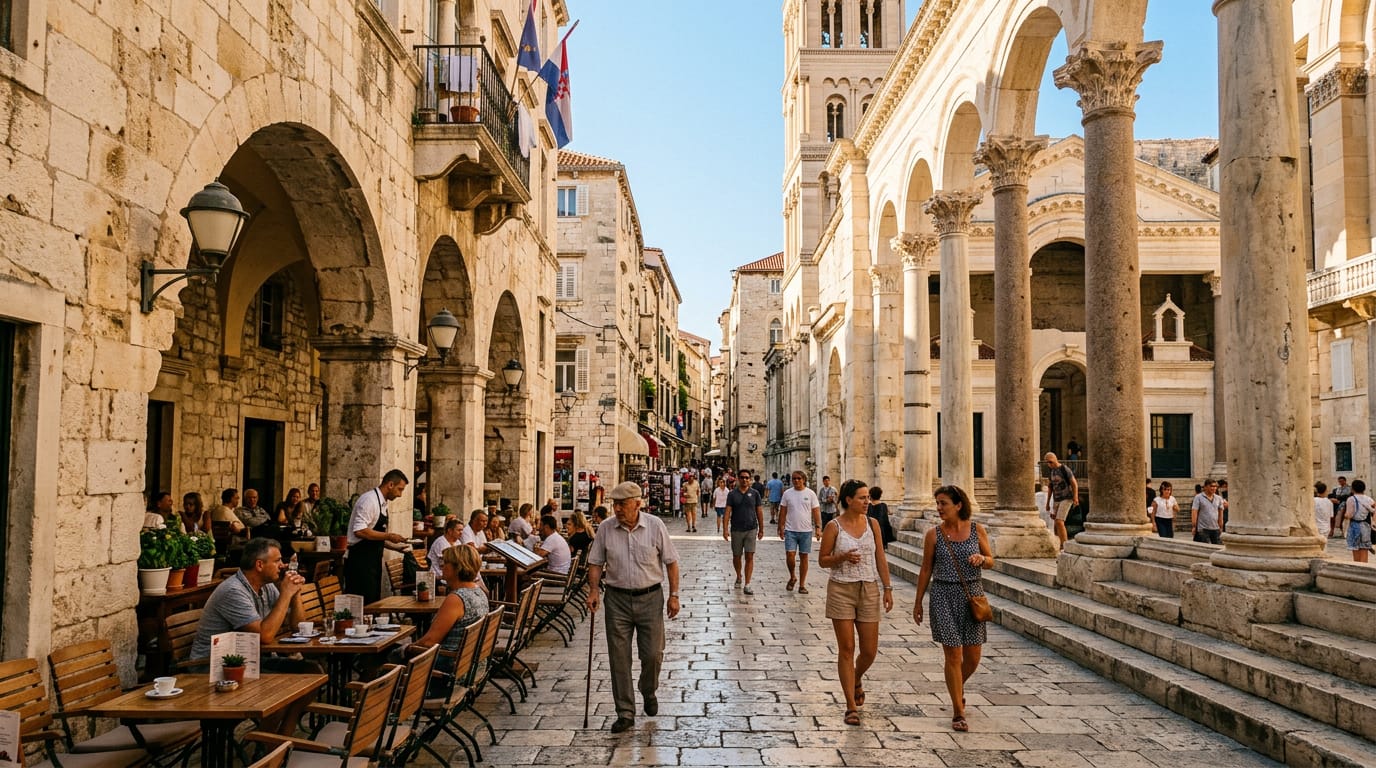
The city’s heart is Diocletian’s Palace, a UNESCO World Heritage site that isn’t a museum but a living, working part of the city. Restaurants, shops, and apartments occupy 1,700-year-old Roman structures. You can have breakfast in a building older than many European cities, then explore underground chambers that once stored the emperor’s provisions.
Split’s waterfront promenade, the Riva, offers that quintessential Mediterranean experience: people watching from cafe tables while boats bob in the harbour and the sun sets behind distant islands. Unlike Dubrovnik’s main street, you can actually find a table.
The islands are Split’s secret weapon. Ferries run regularly to Hvar, Brac, and Vis, each offering their own character. Hvar town is glamorous and lively, Brac has Zlatni Rat (Golden Horn), one of Croatia’s most photographed beaches, and Vis remains delightfully undeveloped, having been a military base until recently.
The food is outstanding. Dalmatian cuisine combines Italian influences with fresh Adriatic seafood and local produce. Family-run konobas (taverns) serve octopus salad, grilled fish, and peka (meat or seafood cooked under a bell-shaped lid) that tastes even better paired with Croatian wines most Brits have never heard of.
Bologna: Italy’s Culinary Capital
Rome, Florence, and Venice dominate Italian tourism, but food lovers know the real treasure is Bologna. This wealthy, left-leaning university city has maintained its authentic character while offering one of Europe’s finest culinary scenes.
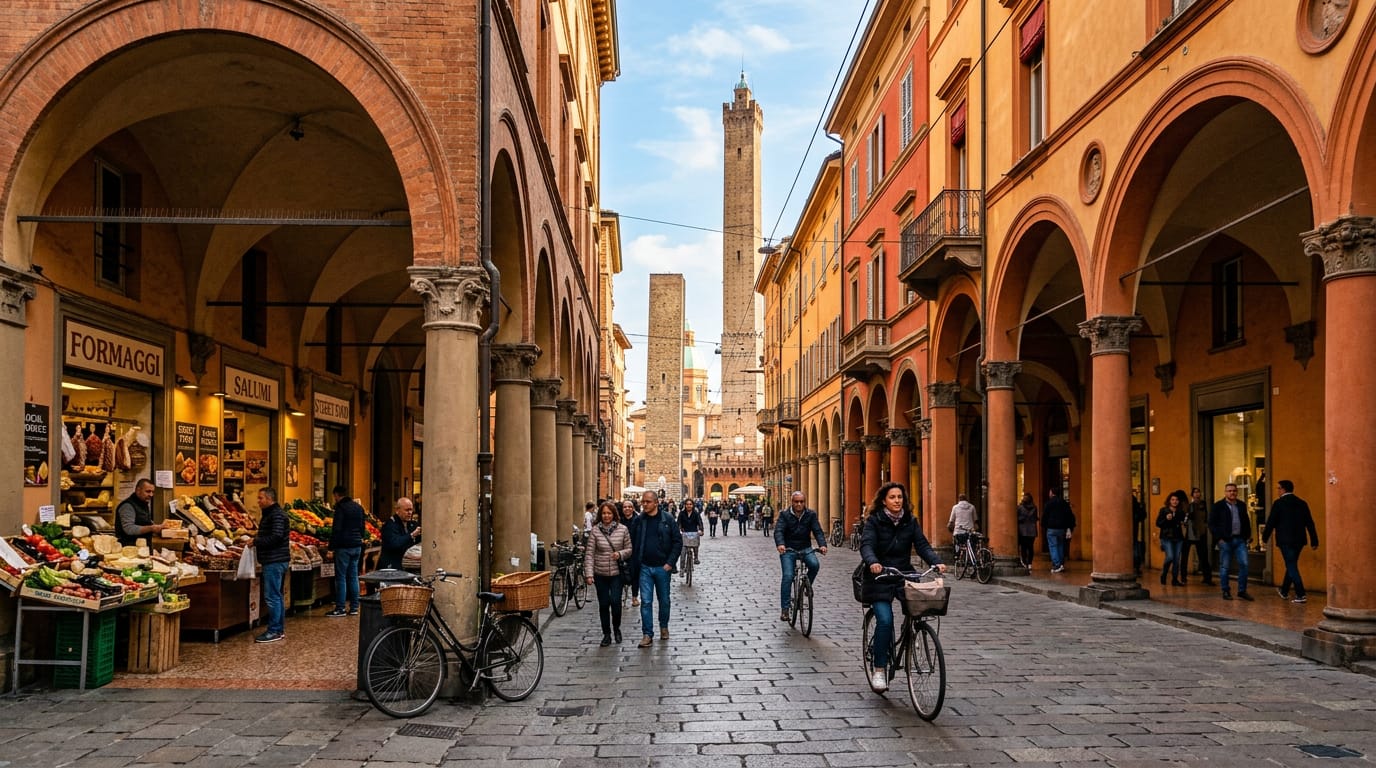
The historic centre is remarkably intact, with 38 kilometres of medieval porticos providing shelter as you wander between piazzas, markets, and centuries-old shops. The Two Towers, Bologna’s landmarks, offer spectacular views for those willing to climb the 498 steps.
This is the birthplace of ragù (Bolognese sauce), tortellini, mortadella, and Parmigiano-Reggiano. The difference between what you’ve had at home and what you’ll eat here is profound. A simple dish of tagliatelle al ragù, prepared properly with locally made pasta and slow-cooked sauce, is a revelation.
The markets are sensory overload in the best possible way. Mercato di Mezzo and the surrounding streets overflow with fresh pasta, aged cheeses, cured meats, wine, and produce so fresh and perfect it could be in a still-life painting. Food tours here are genuinely educational, connecting you with passionate artisans maintaining centuries-old traditions.
Bologna also houses Europe’s oldest university, founded in 1088, which gives the city a young, vibrant energy despite its medieval setting. The combination of history, culture, intellectual life, and exceptional food makes it endlessly interesting.
Day trips from Bologna are remarkably rewarding. Modena, Parma, and Ferrara are all within easy reach, each offering their own specialities and sights. You could base yourself in Bologna for a week and explore a different fascinating city each day.
Girona: Catalonia Without the Crowds
While Barcelona strains under overtourism, Girona offers a more authentic Catalan experience an hour up the coast. This beautiful medieval city has everything that makes Catalonia special, with none of the Barcelona stress.
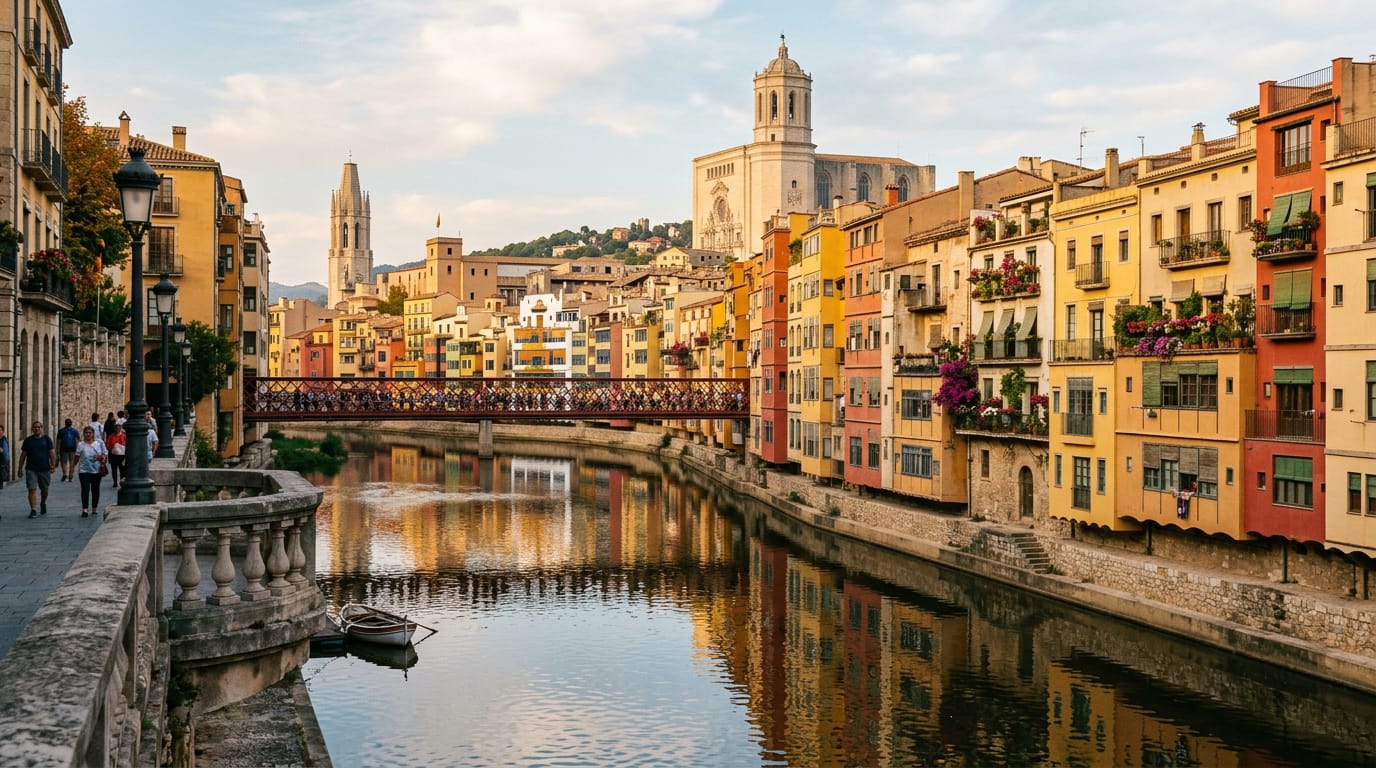
The old Jewish quarter, El Call, is one of Europe’s best-preserved, a maze of atmospheric narrow streets that have barely changed in centuries. The Onyar River cuts through the city, lined with colourful houses that have become Girona’s postcard image.
The cathedral’s Baroque staircase, made famous by Game of Thrones, leads to a stunning interior with the widest Gothic nave in the world. But Girona isn’t living off TV fame; it has substance beyond set-jetting appeal.
The restaurant scene is extraordinary for a city of this size. Girona has become a culinary pilgrimage destination, home to the Roca brothers’ El Celler de Can Roca, repeatedly named among the world’s best restaurants. But you don’t need a Michelin-starred budget to eat exceptionally well here. Traditional Catalan restaurants serve outstanding local dishes at prices that would seem impossible in Barcelona.
Girona also serves as a perfect base for exploring the Costa Brava. The coastal towns north of here remain relatively unspoiled, offering coves, beaches, and fishing villages that still feel genuinely Spanish rather than like tourist resorts.
Salzburg: Mozart’s Hometown Minus the Vienna Crowds
Salzburg combines imperial grandeur, Alpine scenery, and musical heritage into a package that somehow feels more intimate than Vienna. The old town, a UNESCO World Heritage site, sits dramatically beneath Hohensalzburg Fortress with the Alps providing a spectacular backdrop.
Mozart’s birthplace draws visitors, but Salzburg offers so much more. The Mirabell Palace and Gardens are stunning, particularly in summer when the formal gardens bloom. The combination of Baroque architecture, mountain views, and those manicured lawns is quintessentially Austrian.
The Christmas markets here rival Vienna’s for charm but with noticeably fewer crowds. The scent of mulled wine, roasted almonds, and gingerbread fills the air while stalls sell handcrafted ornaments and local specialities.
The Sound of Music tours are unapologetically touristy but genuinely fun, taking you to filming locations in the surrounding Salzkammergut region where lakes reflect mountains and villages look like film sets.
Salzburg’s cafe culture thrives without feeling like a museum piece. Traditional kaffeehäuser serve exceptional cakes and coffee while locals read newspapers and chat. The city maintains that Austrian quality of life that makes everyday activities feel elegant.
Why Secondary Cities Reward Travellers
These cities offer something increasingly rare: authentic urban experiences where tourism enhances rather than overwhelms local life. You’ll interact with locals going about their daily business, eat where residents eat, and experience cities as living communities rather than open-air museums.
The value is often better too. Accommodation, meals, and attractions typically cost less than in major tourist hubs, letting your money go further. You might afford that special dinner or better hotel that would stretch the budget in Barcelona or Venice.
Our travel experts have explored many of these cities. We know the best areas to stay, the restaurants locals recommend, and how to combine them into itineraries that show you the real Europe. With ABTA and ATOL protection and over 40 years of experience, we’ll ensure your hidden gem holiday exceeds expectations.
Discover Europe’s Best-Kept Secrets
The most rewarding travel often happens in places that aren’t fighting for your attention. These secondary cities have confidence in their appeal; they don’t need to shout about it. They’re simply excellent, offering rich experiences to those who look beyond the obvious.
Visit your nearest Spear Travels Group branch and tell us you’re ready to explore beyond the tourist trail. We’ll share our insider knowledge and create an itinerary that shows you Europe at its authentic best.
Make this the year you discover cities that exceed the famous ones.
Rather speak to someone in person?